Spotlight: Reece Corcoran, 'The Bastard's Ascension'

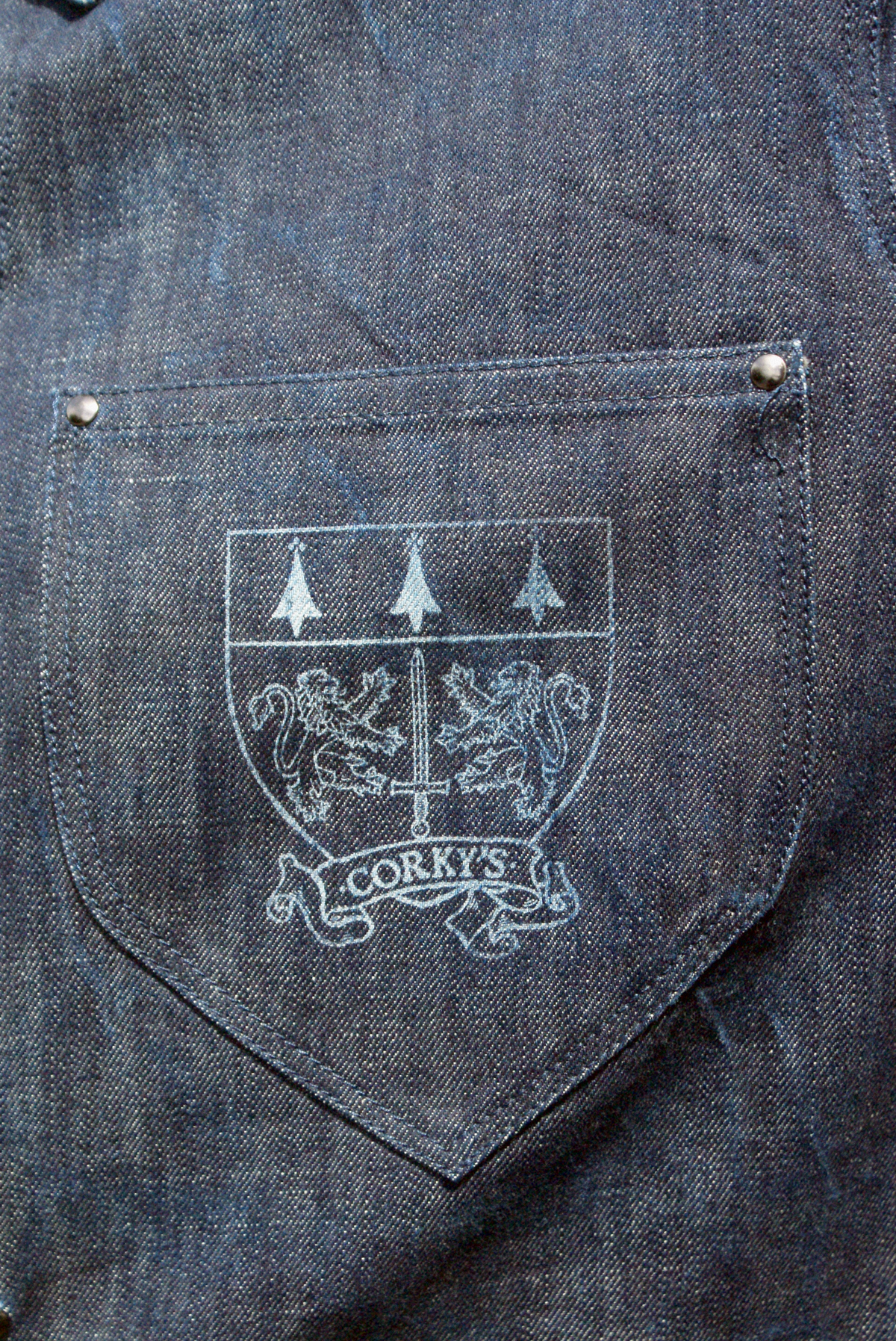
The Bastard’s Ascension is a menswear collection centred on the armour design elements of the fourteenth-century Holy Roman Empire, combined with classic twentieth-century American workwear. The project explores how the visual language of knightly armour can be translated into contemporary clothing.
Within the context of the collection, the “bastard” represents an individual who earns their place through dedication, skill, and hard work rather than inheritance or privilege. In many ways, it reflects my own journey as a designer, building confidence, knowledge, and identity through the process of making.
What made you want to make this collection?
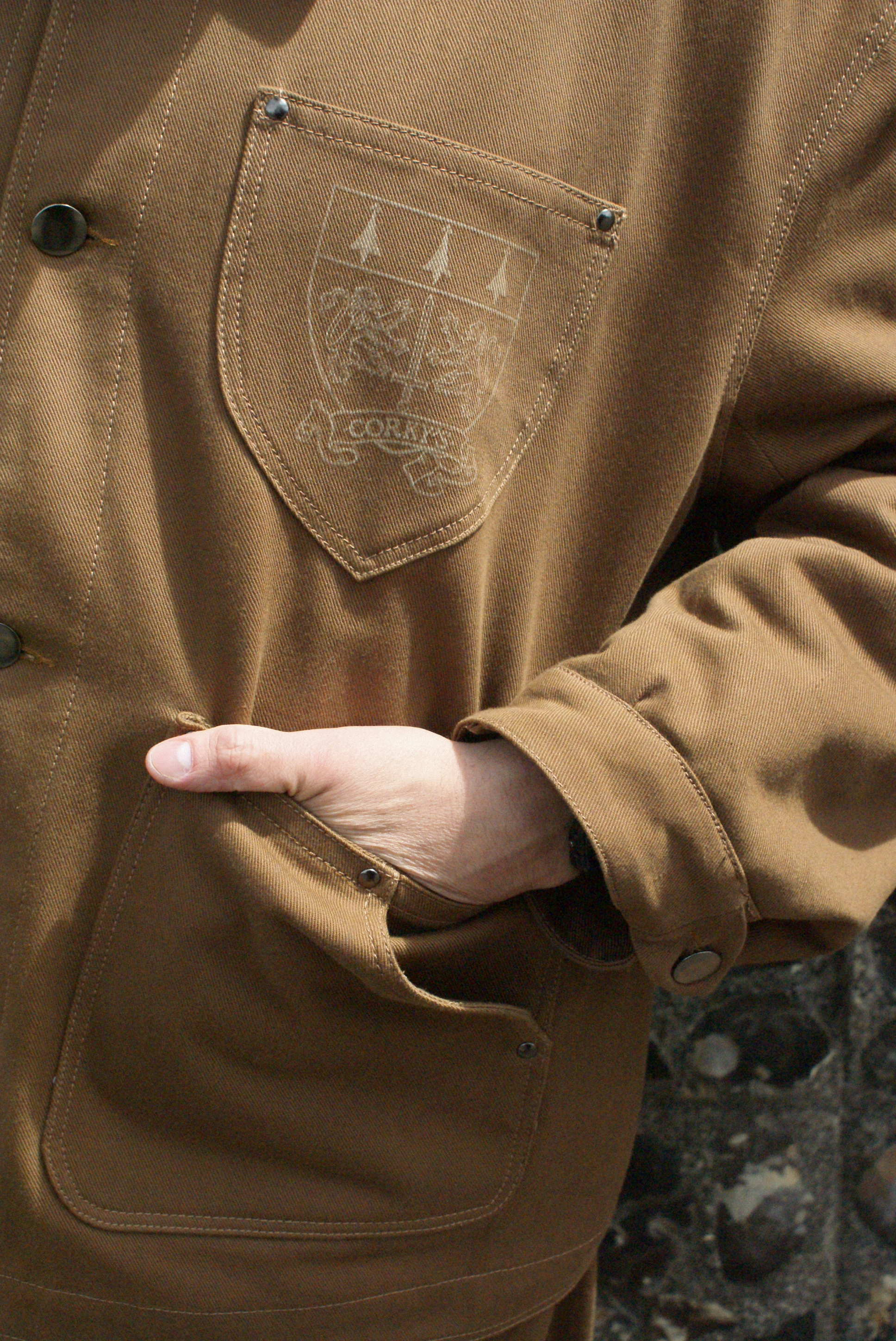
The initial inspiration for the collection came during my placement year whilst playing a video game called Kingdom Come: Deliverance II. The game's portrayal of medieval life, armour, heraldry and chivalry gave me an interest in the visual culture of the fourteenth century, particularly within the Holy Roman Empire. I was especially drawn to the way identity, status, and allegiance were communicated through symbols, crests, and armour construction. These were themes that became central to the collection.
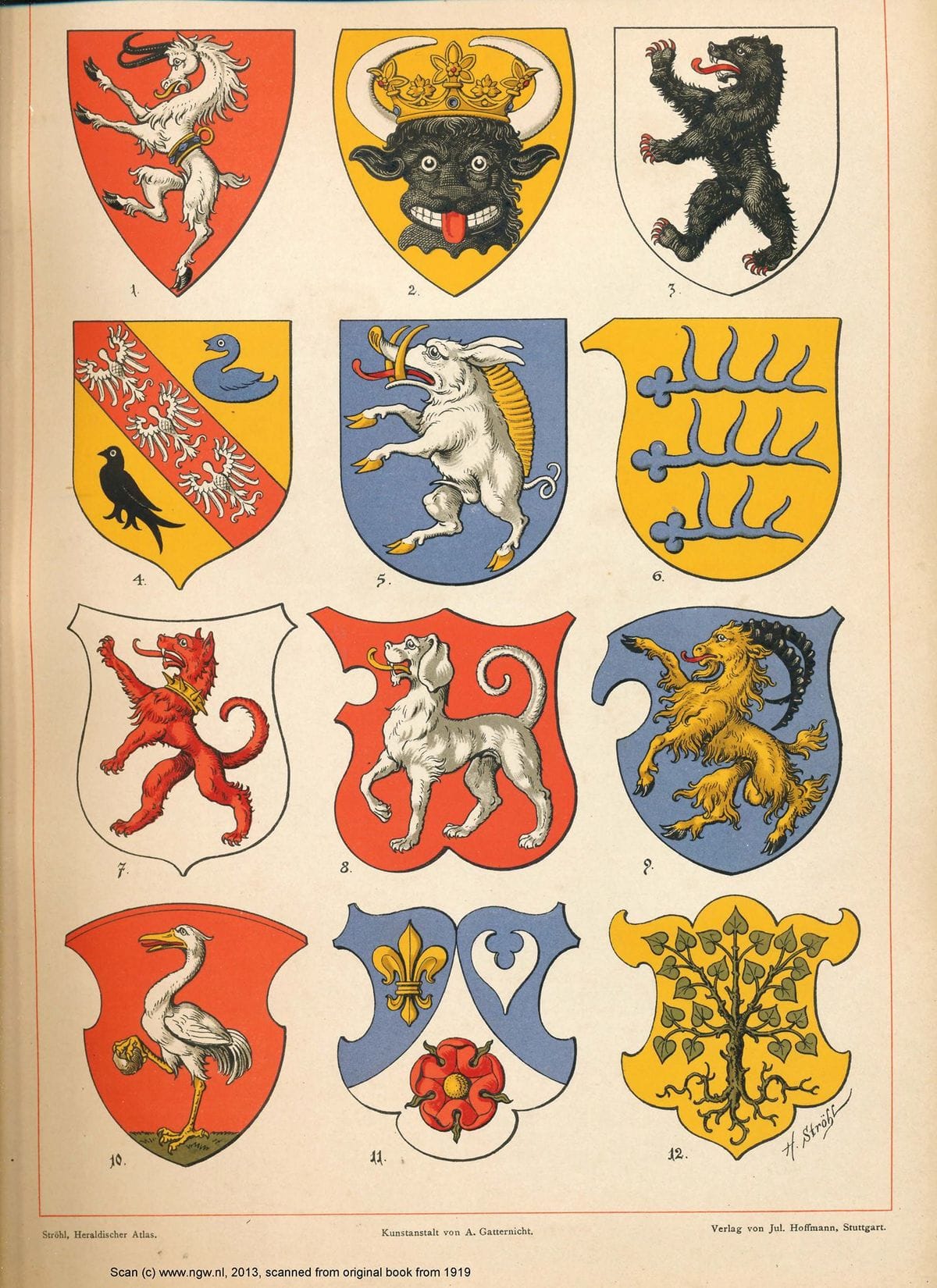
This interest developed further during a visit to Prague, where there are countless examples of historic heraldry throughout the city's architecture and monuments. This enhanced my fascination with medieval symbolism and helped me to better understand the role heraldry played in communicating identity and heritage.
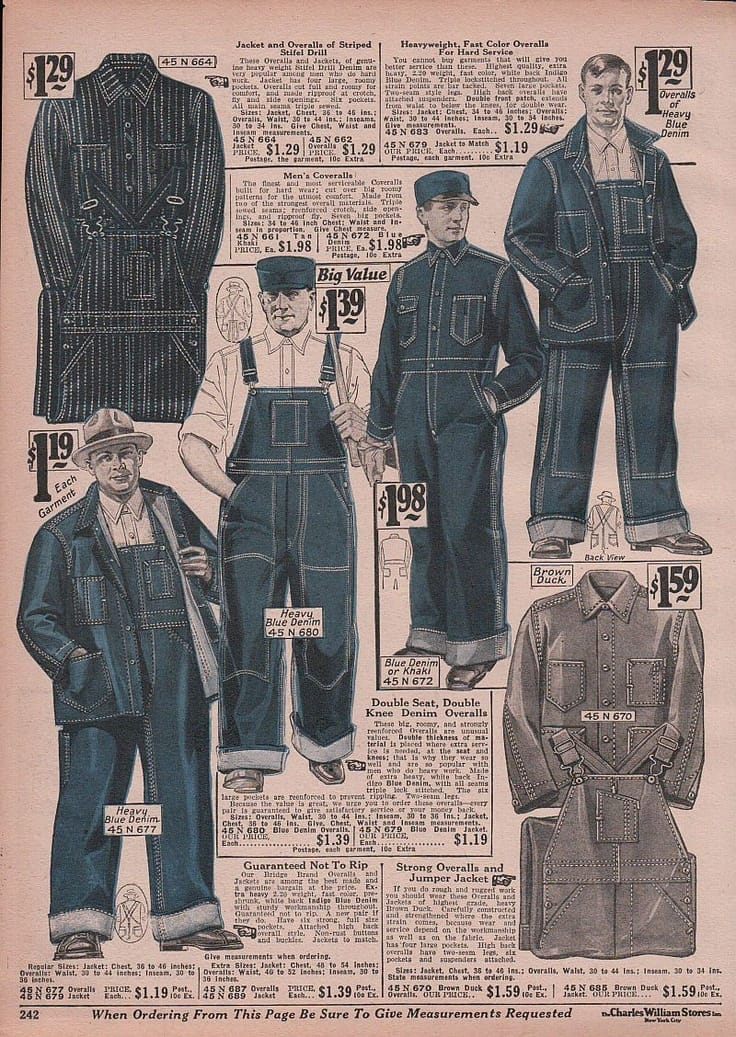
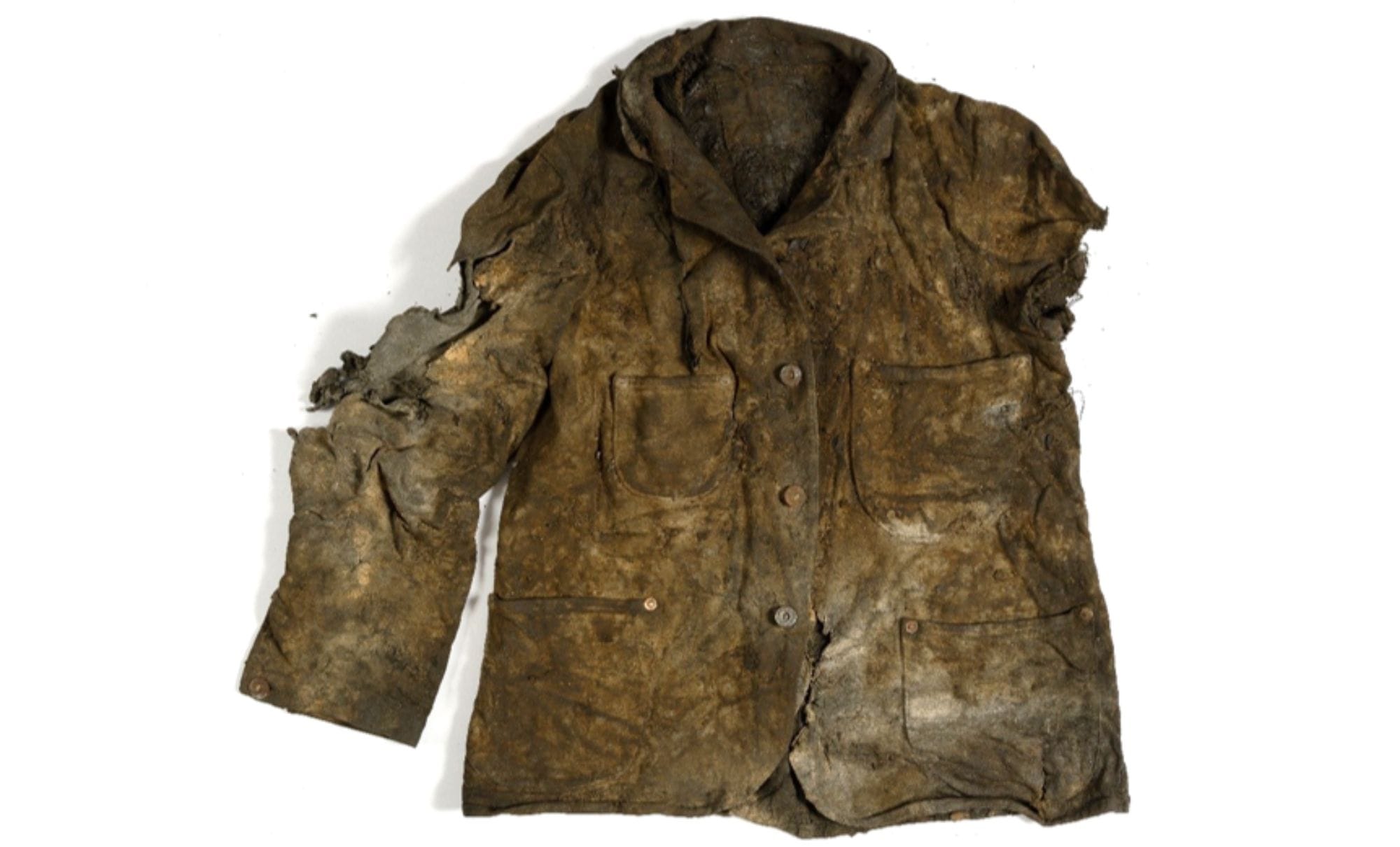
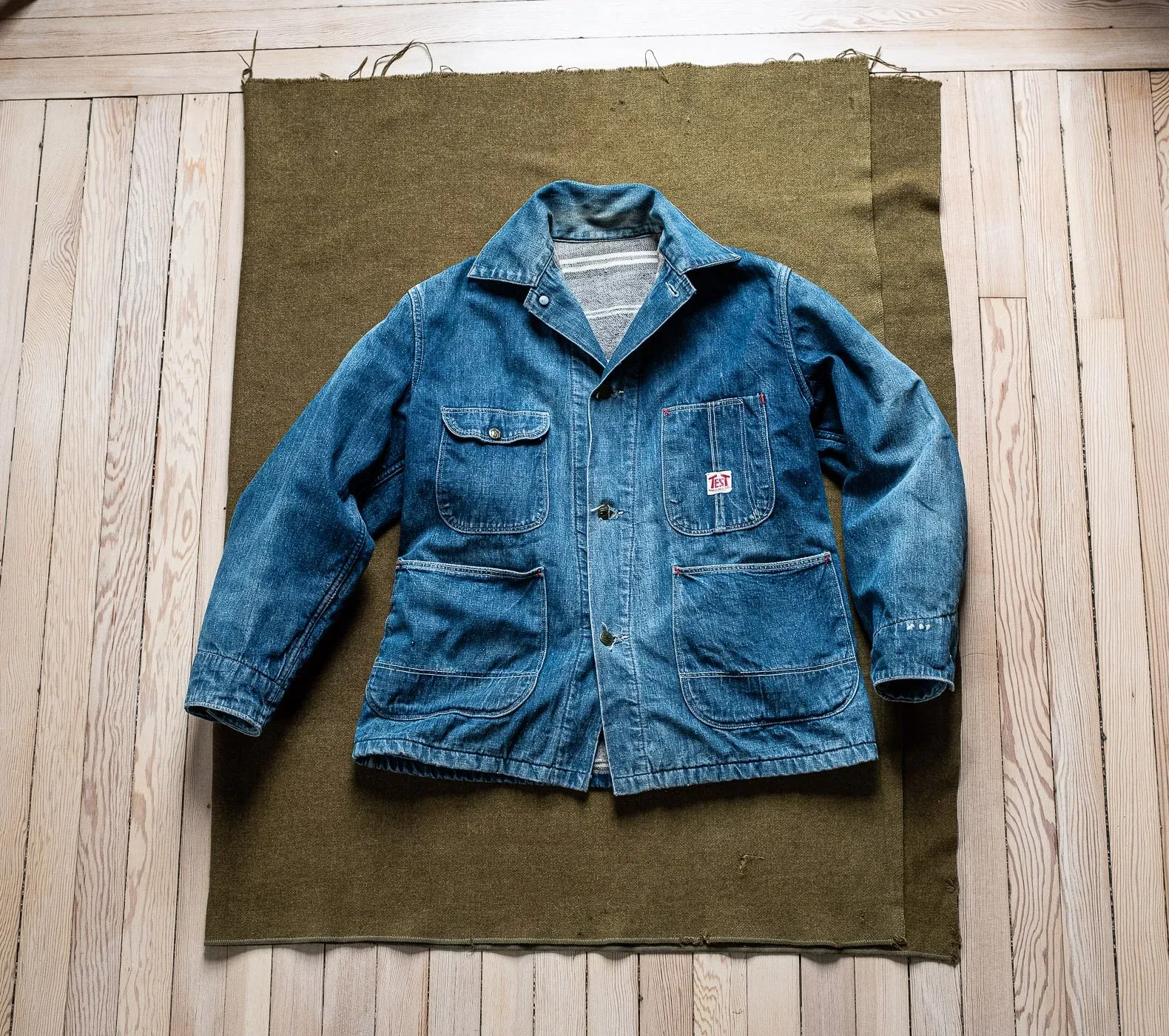
Alongside these historical influences, my passion for workwear remained central to the project. During my second year of university, I developed an appreciation for the chore jacket and realised I wanted to specialise in workwear. Combining my interest in the chore jacket's durability with research into heraldry and armour allowed me to create a collection that celebrates craftsmanship and identity through contemporary workwear.
Describe the world this collection inhabits.
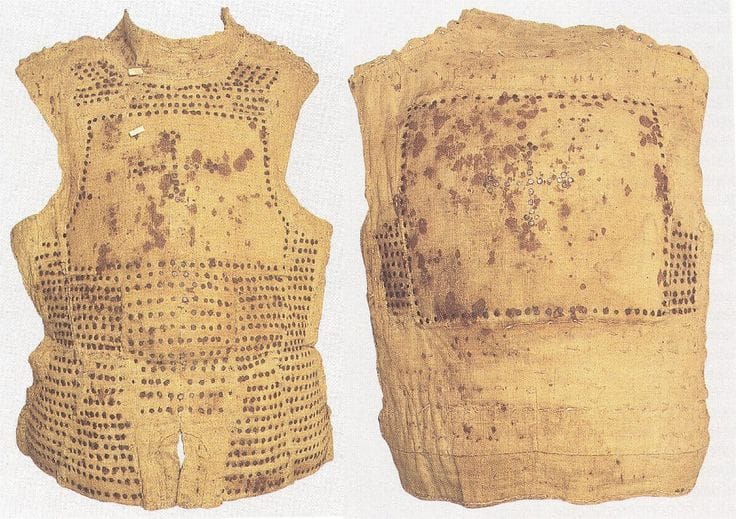
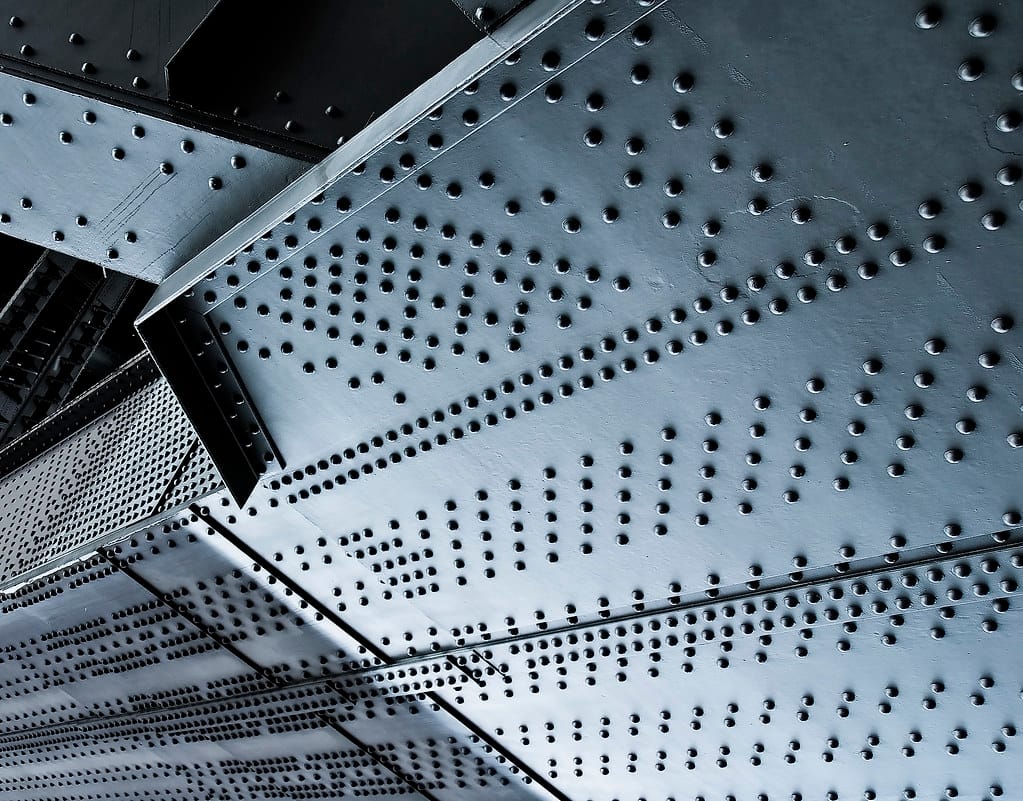
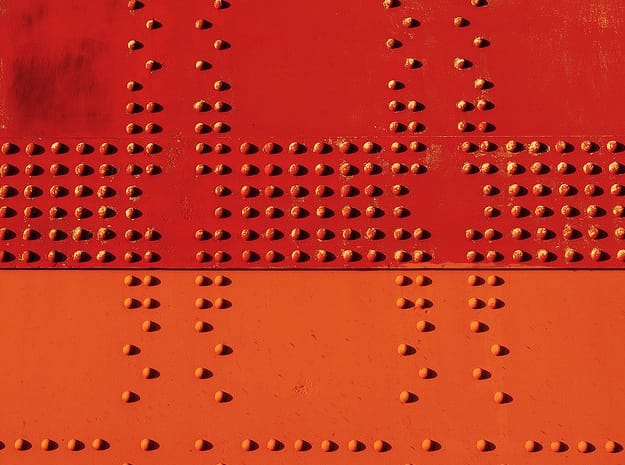
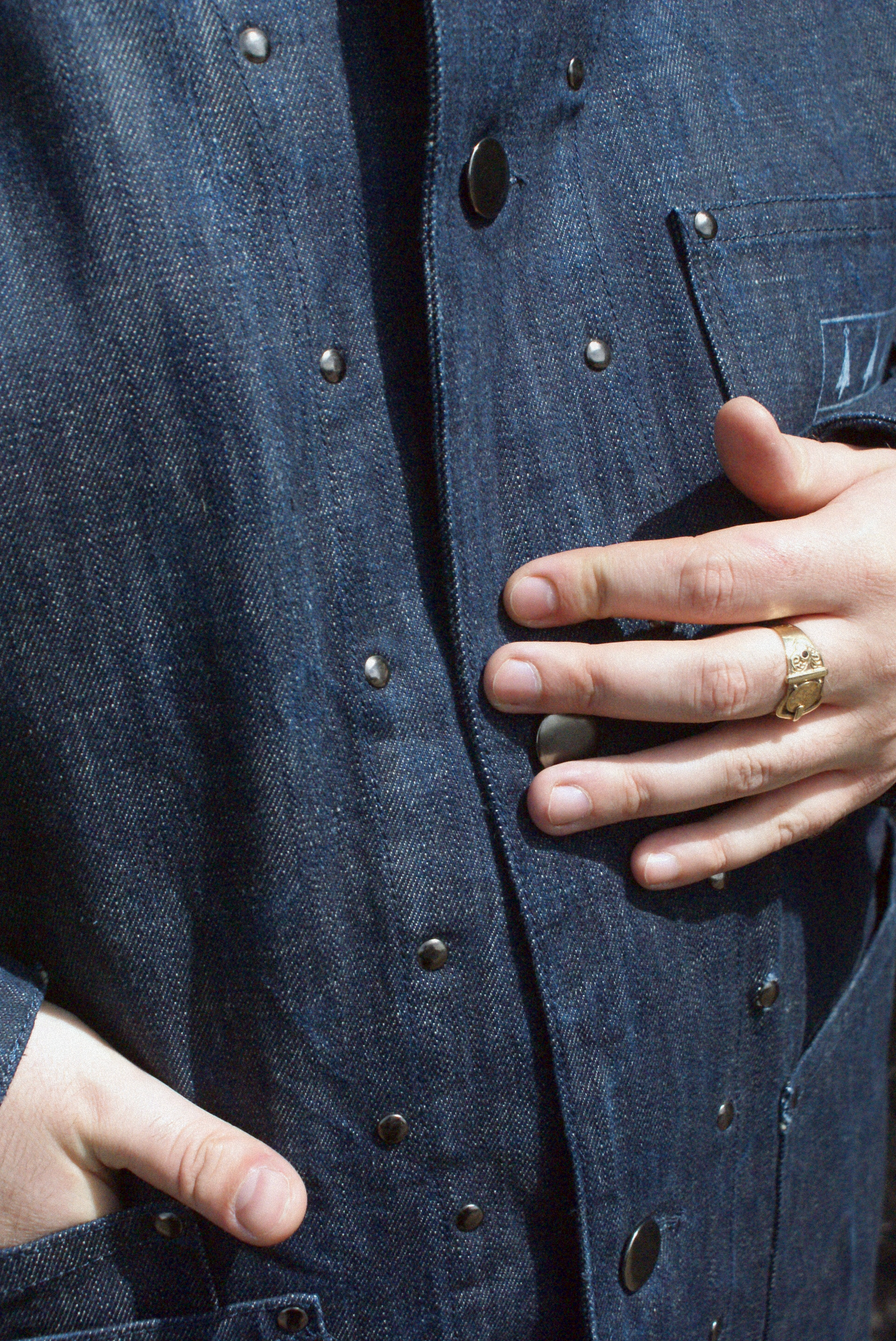
This collection inhabits a world where medieval and modern labour culture meet. Ancient heraldic symbols, armour details and heritage styles are reinterpreted through contemporary workwear and denim. The wearer exists between craftsman and knight, navigating an industrial landscape that still values tradition and durability. Stone castles have become concrete warehouses, while the rivets from brigandines are transformed from armour construction into functional garment hardware.
What aspects of contemporary life does it respond to?
The collection responds to my growing dissatisfaction with contemporary fast fashion and the disposable attitude that often accompanies it. As clothing becomes increasingly trend-driven and short lived, garments seem to lose their sense of value, despite the craftsmanship that goes into their development and the longevity in construction methods. This collection challenges that mindset by promoting the idea that clothing should be designed with durability in mind, encouraging a stronger connection between the wearer and their garments.
How did the collection change between its earliest conception and the finished garments?
Initially, the idea was more costume-led, focusing heavily on historical references and medieval inspired dressing. However, during the early design stages I found this approach difficult to develop, as it didn’t feel aligned with how I naturally design or think about clothing.
I took a step back and began to reflect on the garments I had previously made, as well as the clothes I personally wear and feel most connected to. This helped me realise that my creativity is more driven by workwear and functional clothing rather than costume. As my lecturers described it, I began “making my own wardrobe,” which became a key turning point in the project.
From that point, the collection evolved into something far more personal and practical, centred around workwear silhouettes such as the chore jacket, while still incorporating the historical research that initially inspired the concept. This shift allowed the outcome to feel more authentic to my design identity and more coherent in its development.
Tell us about the materials you chose.
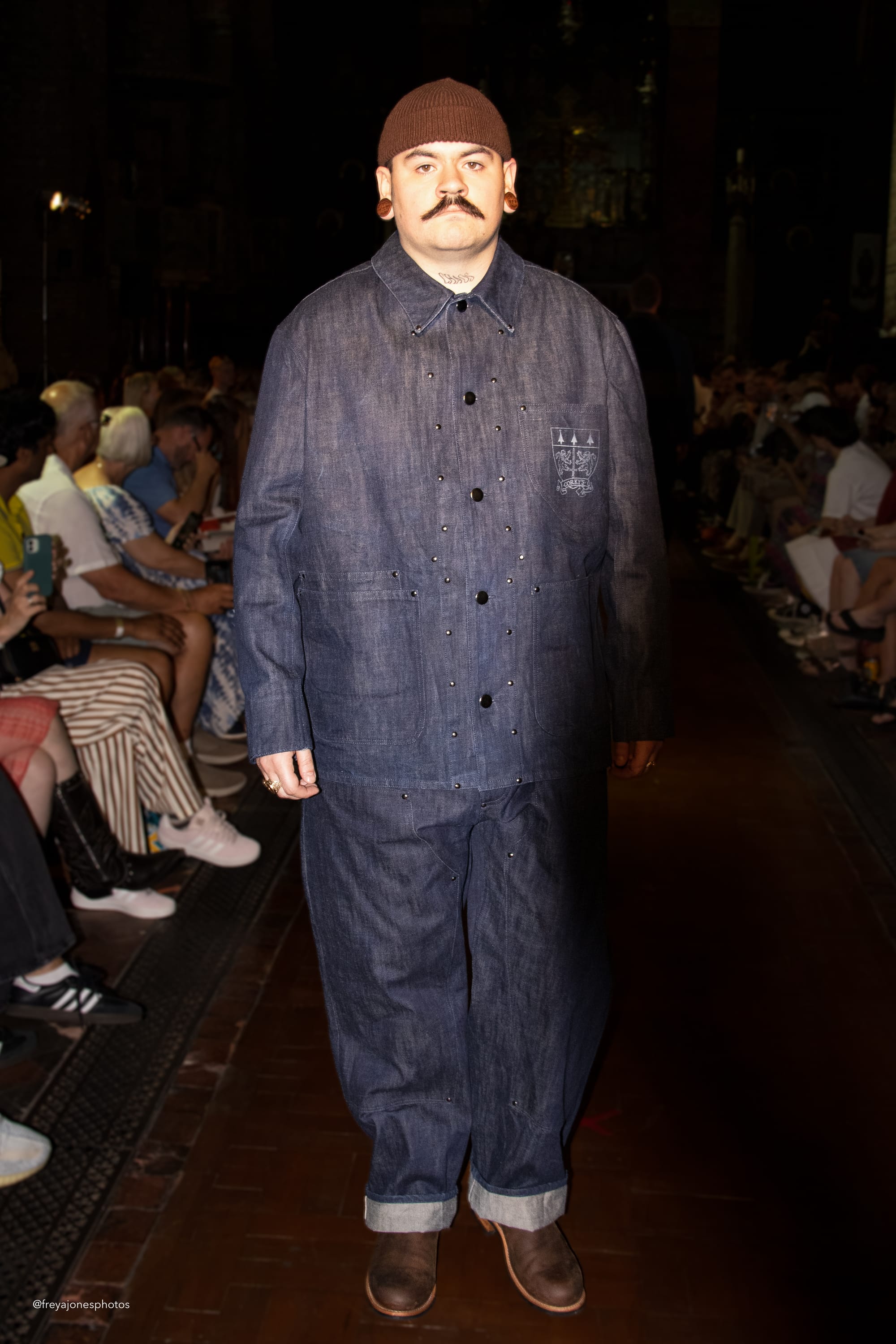
The materials were always going to reflect workwear as I understand it, and at first that meant corduroy, canvas and moleskin. But as my ideas developed and my research into medieval armour grew, I realised those weren't quite right. Denim was.
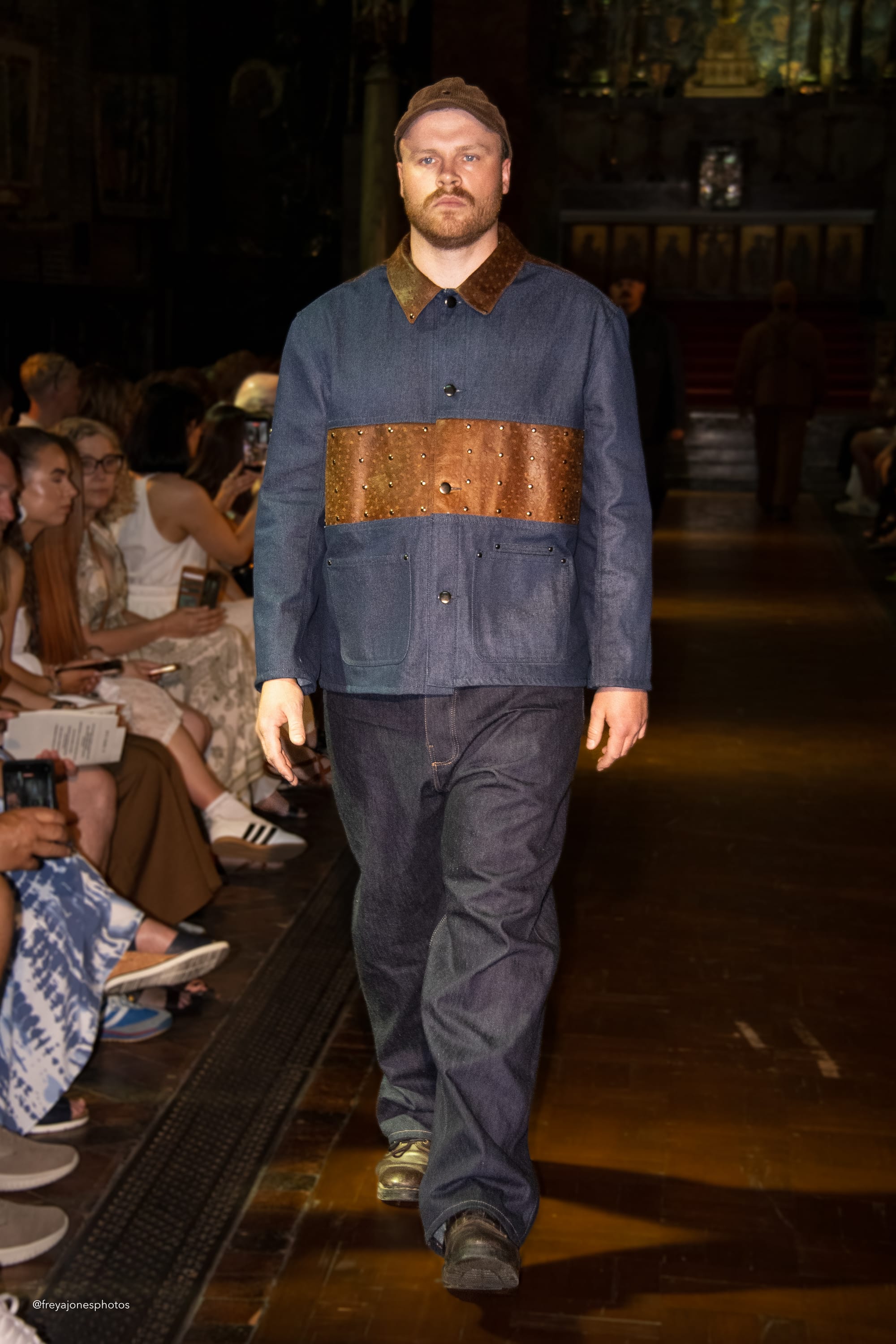
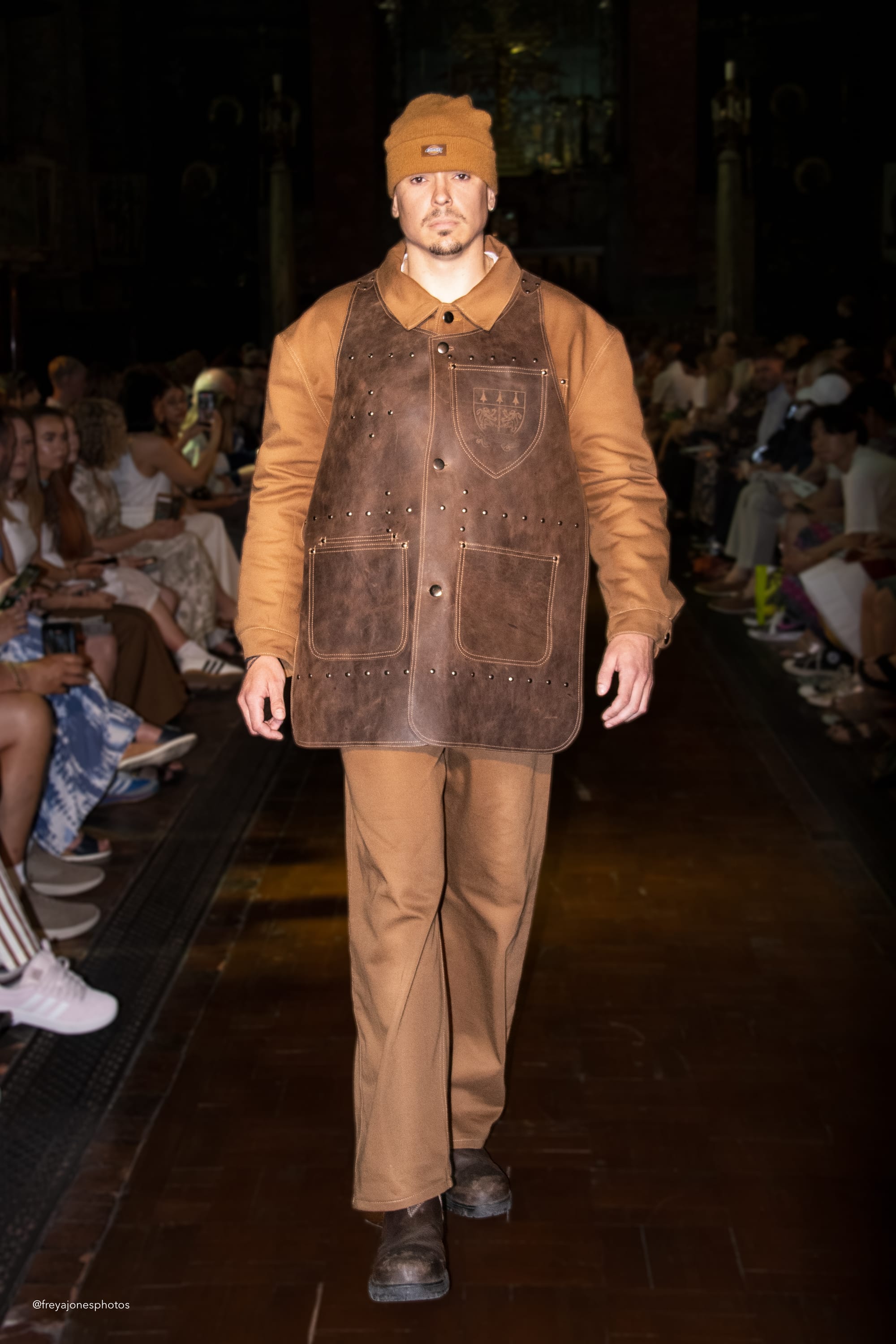
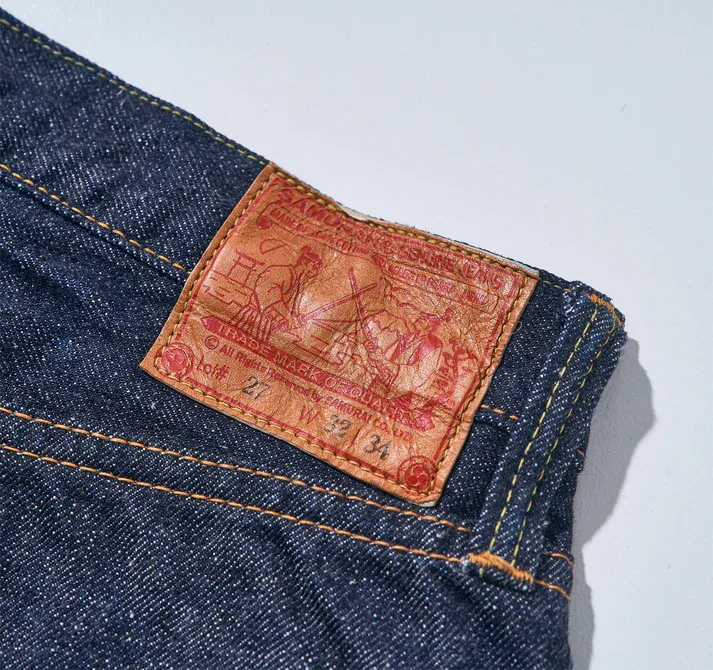
Specifically, heavy denim. I used 14oz 100% cotton Japanese denim throughout most of the collection. The weight and rigidity of it felt connected to the armour references there's something inherently protective about it, something that gets better with age rather than wearing out. It felt like the most striking material for what I was trying to show.
I also incorporated leather into the collection for pieces that required a stronger sense of structure and protection. In one jacket, I used ostrich leather, which was not my original intention. I had initially purchased cowhide; it however proved too thick for the level of construction I needed and was instead used for the apron. The ostrich leather, being thinner and more workable, allowed for greater precision in construction while still maintaining durability. Its natural texture also unexpectedly echoed the appearance of riveted armour detailing, which helped strengthen the visual connection to my research and further developed the overall aesthetic of the collection.
What does the collection reveal about where you are as a designer at this moment in your life and career?
I think the collection reflects an important shift in my confidence and identity as a designer. At the beginning of my journey into fashion, I often felt a sense of not fully belonging within the industry and struggled with self-belief, particularly in terms of calling myself a designer.
Completing this collection has significantly changed that. Developing the concepts, designing the garments, and being involved in every stage of the making process has allowed me to take full ownership of my work. It has given me a clearer sense of validation in saying, with confidence, that I am a fashion designer.
That said, I am still aware that there is a long way to go. I don’t see myself as a finished craftsman, and I recognise there is always room for improvement and development. However, this project has helped me feel more established in my practice and more confident in my direction. It has reinforced the importance of continuing to build on my skills and ideas, and to keep progressing in my journey.
Reece Corcoran: @corkysclobber (Instagram)