Seb Koseda: 'Class In Progress'

Working-class Artist. It's an interesting term.
The very phrase suggests that a working class person is somehow out of place in this field.
Imagine saying “Here’s Benedict, the middle-class bricklayer,” or “Gerald is an upper-class mechanic.” It sounds absurd.
But why does it sounds absurd?
Because manual labour is already assumed to belong to the working class, no clarification needed. The category is invisible because it is dominant.
In the art world, the opposite is true.
What’s interesting now, is that the label “working-class” isn’t only imposed from the outside. It is increasingly being claimed from within.
In recent years I have seen new waves of artists and collectives asserting and celebrating working-classness.
In a sense, the term “working-class artist” now functions as a form of institutional critique. It exposes a bias (why is this label needed at all?) while also displaying solidarity and naming a shared condition, for peers and for the audience. This shift is important.
For a long time, I tried to obscure my background to make it more palatable for other people.
Now I’m more embarrassed of the fact that I was embarrassed about it.
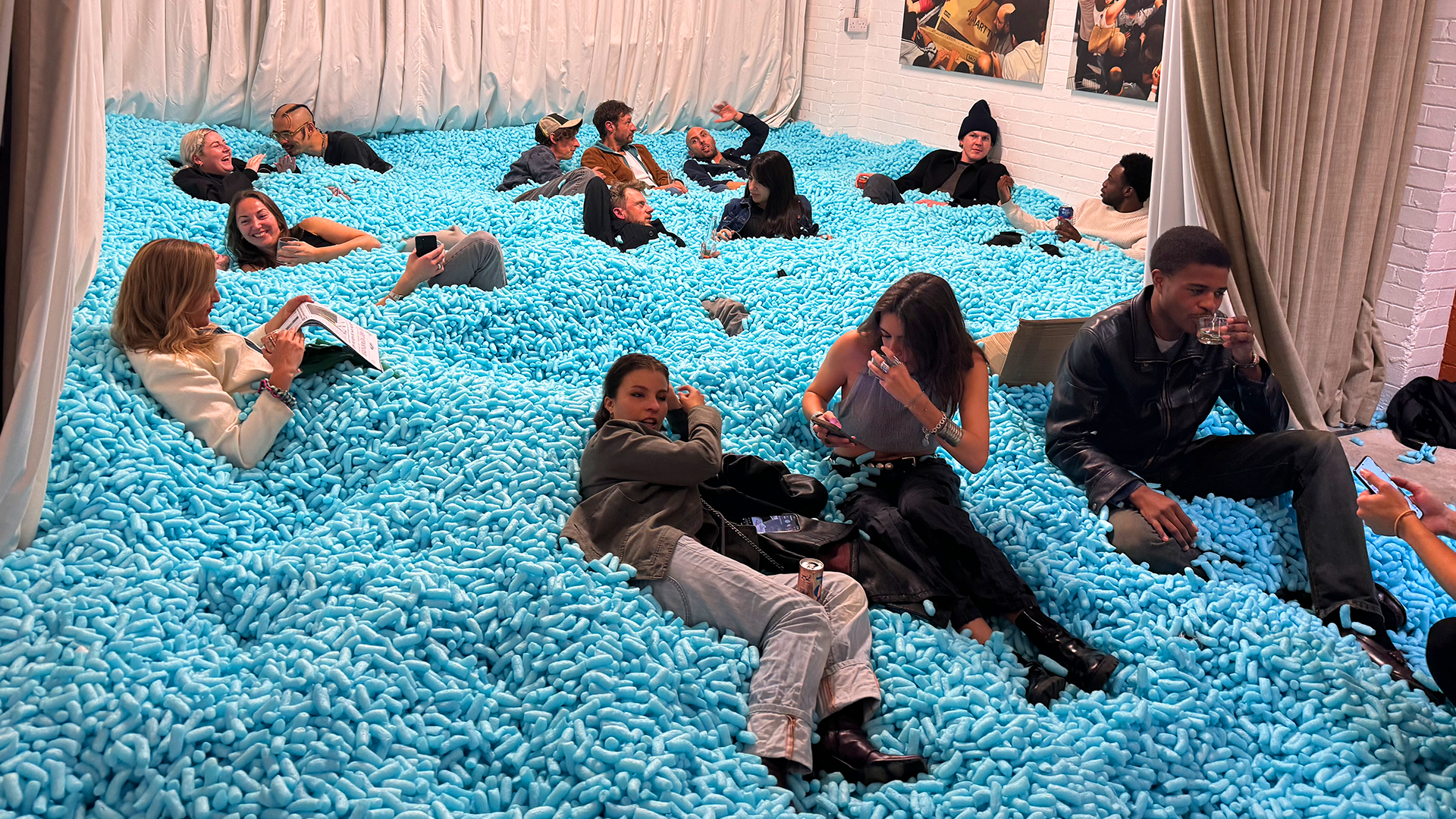
The rise of working-class collectives, publications, exhibitions, and alternative art courses is not a trend. It is a structural reaction.
The mainstream art world is becoming harder to access. So people are building parallel systems, ones that don’t ask for permission.
But there is a risk here.
Working-classness can become aestheticised. Reduced to texture, grit, DIY, anti-polish. When that happens, it begins to package exclusion as if it were a product, rather than challenge it.
What looks like solidarity starts to function as a marketable stance.
The strongest of these collectives resist that. They don’t just seek entry into the art world as it exists, they attempt to change what it is.
Because class is not theoretical. It is lived and it is ongoing.
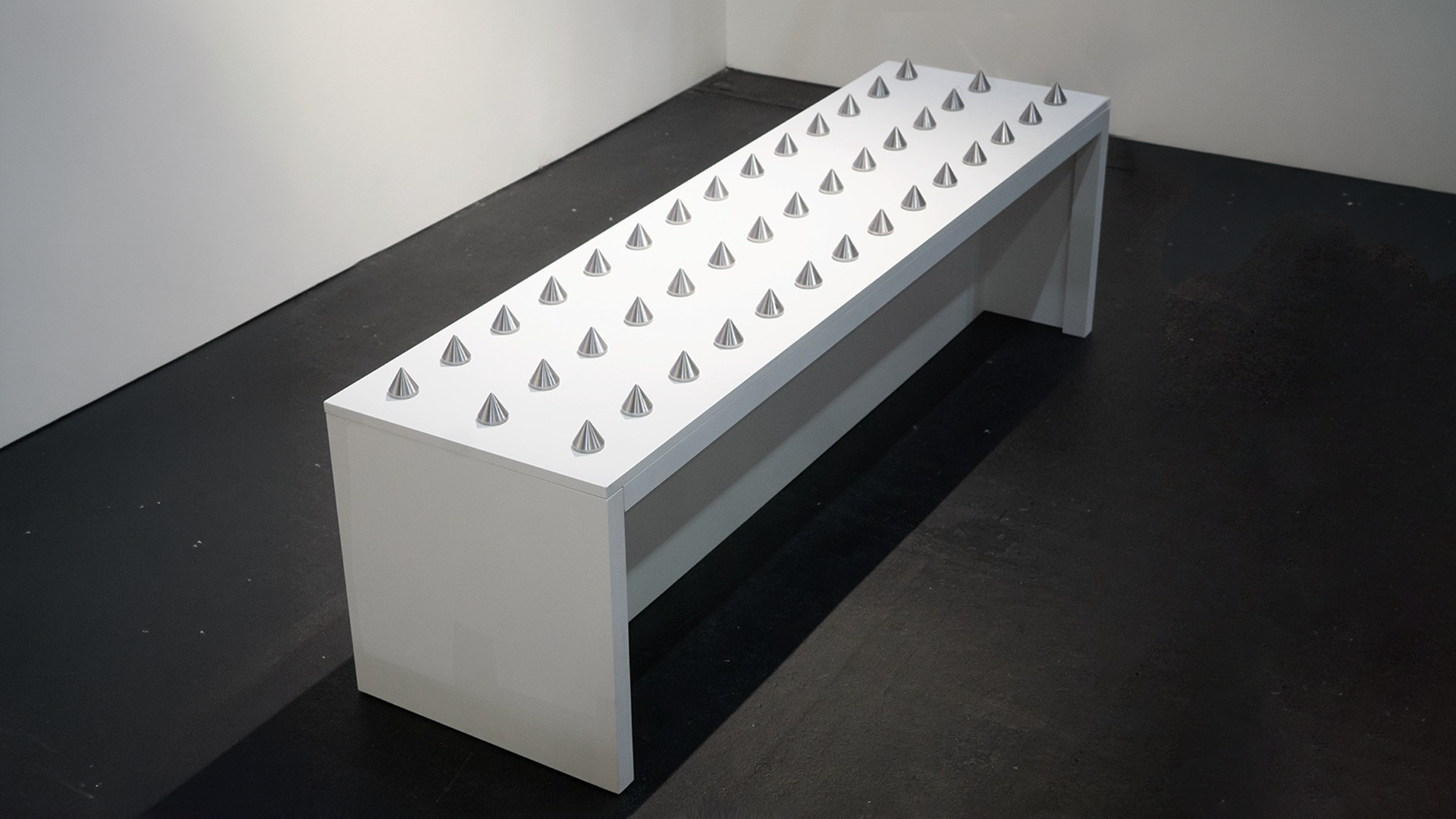
Fewer than 10% of UK creative professionals come from working-class backgrounds. At the same time, the sector is increasingly dominated by people from more affluent backgrounds, often supported by financial safety nets.
Economic barriers have, if anything, intensified. Low pay, unpaid internships and precarious freelance work disproportionately exclude working-class people. The industry increasingly rewards those who can absorb risk, those who can afford to work for free or sustain long periods of instability without income. In this context, collectives become a survival strategy. Shared resources, shared opportunities, shared visibility.
This is compounded by geography. The UK art world remains heavily centralised in London, where high rents and low pay intersect to make sustained participation increasingly difficult. As a result, collectives often emerge regionally, as a way of decentralising cultural production and building local scenes outside the capital’s gravitational pull.
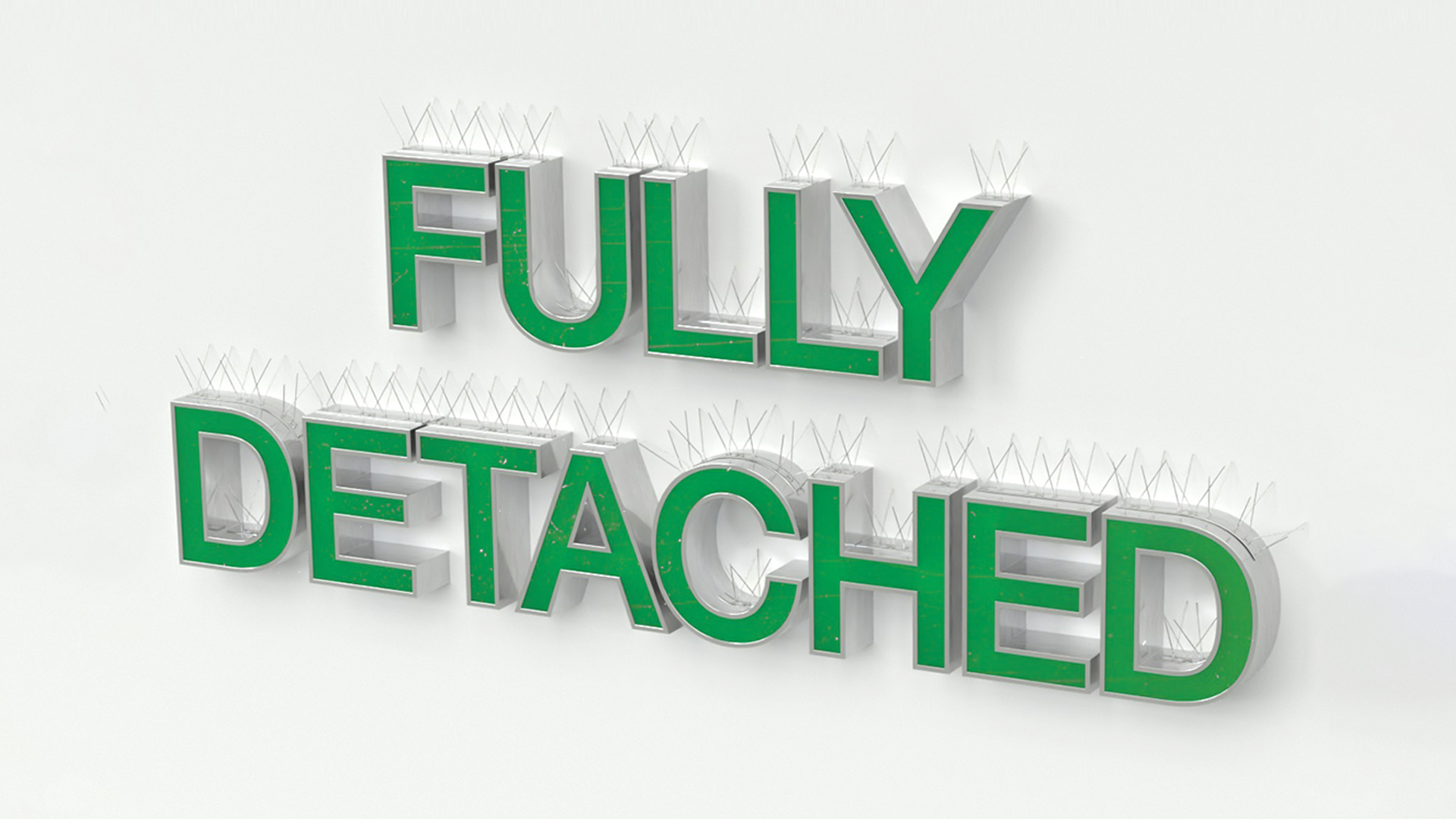
Working-class art collectives are growing because the official art world is narrowing, and people are building their own infrastructure outside it. When you can't buy a platform to be heard you have to build one, especially if you have a lot, if not the most, to say.
Recently, I was speaking to a curator friend who said to me "I don’t understand why someone would be part of these groups and alienate themselves from big institutions.
You know? Don’t bite the hand that feeds you", she said.
But there is no hand.
That’s the point.
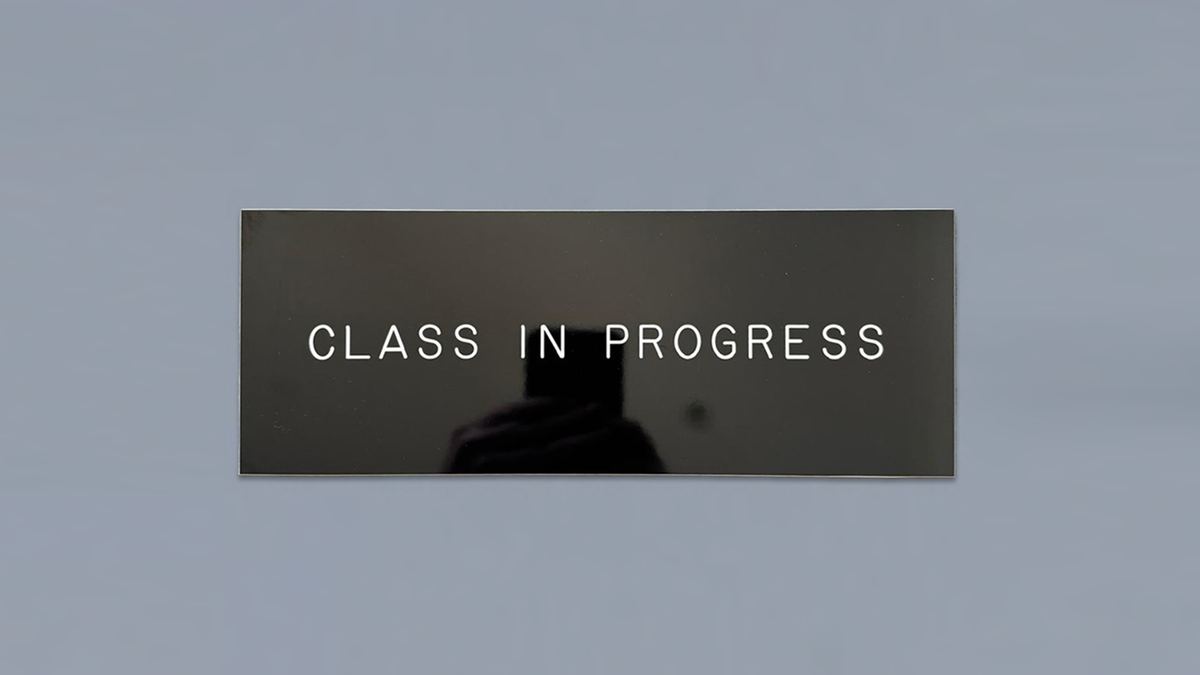
The piece featured above (Class In Progress, Traffolyte, 2026) is not just about the art world, it is about social engineering in its many forms and education as a means of maintaining archaic systems. It is about learning, unlearning and relearning what is worth learning.
Seb Koseda is an award-winning artist and designer exploring the systems and technologies shaping contemporary society, holding a mirror up to the conditions that define it.
Currently running a London-based design studio, Sebastian is a visiting lecturer at the Royal College of Art and UAL, and writes for a range of leading art and design publications.
www.sebastiankoseda.com