Tommy Sissons: Editor's Foreword (Issue 6 - The Body Issue)
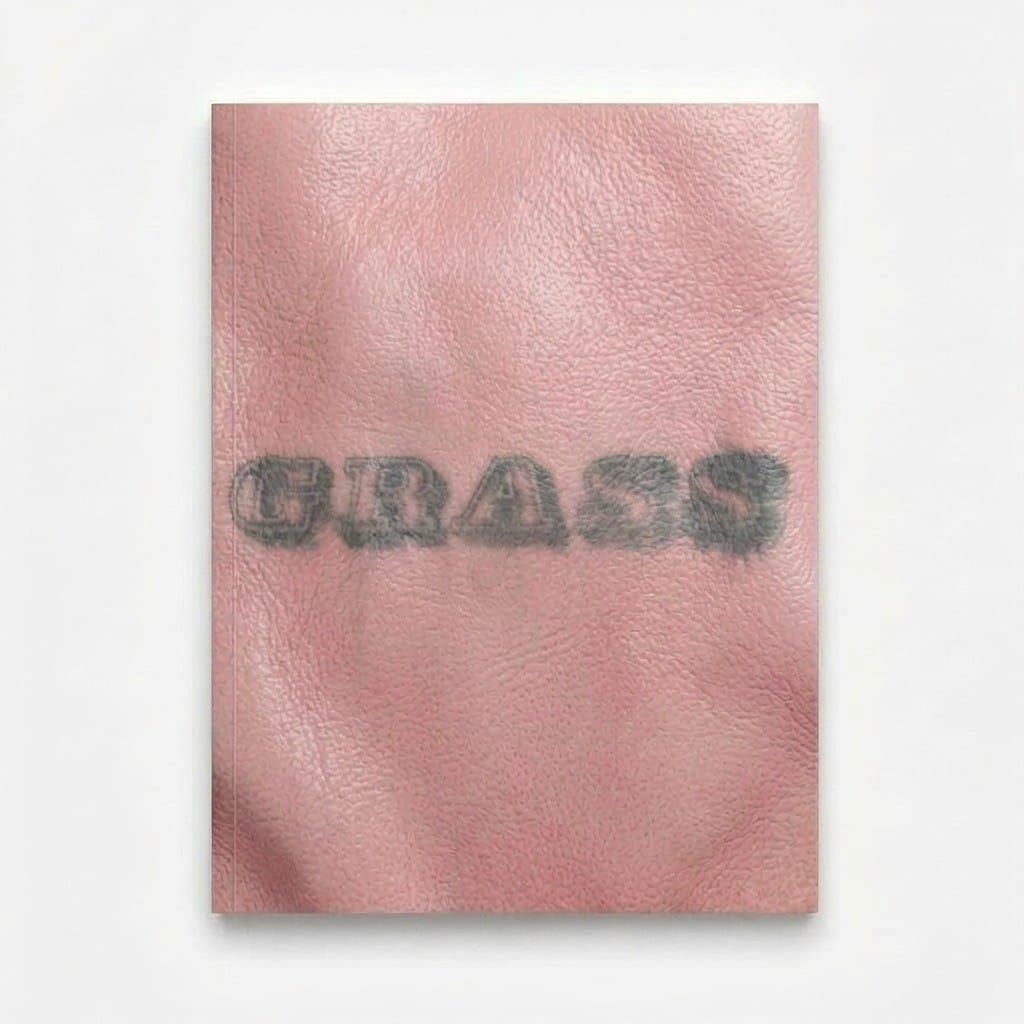
In Britain in 2026, debates about the body are far from abstract. The National Health Service faces mounting pressure from cuts, outsourcing, and creeping privatisation. Food banks are part of everyday life for hundreds of thousands. Long-documented health inequalities are widening: life expectancy varies dramatically by postcode, and for many working-class people stress and mental health problems are intensified by both work and lack of work.
The governing of the bodies of the working class by material conditions is nothing new. Historically, they have been altered by labour: the twisted spines of coal miners, the stunted growth of chimney sweeps and the ‘brown lung’ disease of textile mill workers. Bodies have also been transformed by sport and fighting culture, by living conditions, and by social time spent in canteens and pubs. They have been undone by hunger and violence.
In the modern British media landscape, the bodies of the working class have been paraded as public spectacles. Certain bodily features become memes or loaded class signifiers in their own right: Missing teeth. Turkey teeth. Lip filler. Breast enlargement. Football tattoos. Fake tan. Obesity. The clothes which go on the body, and, of course, the accent which emerges from it. Television has long encouraged audiences to jeer at the working class for their appearance in this way. Shows such as Jeremy Kyle and Fat Families point to the bodies of the working class as excessive, unruly, dangerous, comic and disposable. They are something to be managed, disciplined, laughed at, feared.
GRASS has never coupled its issues with fixed themes before. But as I was reading through the submissions for this edition, a common thread emerged: the body being tested, policed, medicated, exhausted and pushed beyond what it is able to endure.
In Bobby Parker’s ‘Bag for Life’, the body’s survival depends on what’s at hand - in this instance, a can of beans. Carlene Metcalf’s ‘Psycho’ centres a speaker negotiating self-image and trauma, and mars k margetson maps the body’s endurance within systems that repeatedly fail it. Candle Hirst uses a fractured narrative to inhabit her character Pete’s bodily anxieties and instincts, while Edwin R. Stevens’ ‘The Bunker II’ pushes the body to violent and grotesque extremes.
Elsewhere in this issue, we turn to bodies in subculture. Photographer John Bolloten’s work with bare-knuckle and no-rules fighters documents bodies under pressure. Lal Hardy reflects on decades spent tattooing in London’s working-class scenes. And in Chris Packet’s crisp packets, we see objects that pass through mouths and hands - the remnants of appetite, habit, and place.
We also include work by contributors whose subject matter isn’t directly about the body (pieces by Jamie Holman, Elleanna Chapman and Rob Bremner, for instance) because The Body Issue explores bodies not just biologically, but socially, politically, and imaginatively. Sometimes relationships with place, encounters with strangers and the urge to revolt can tell us as much about embodiment as explicit anatomy.
This issue asks that we look at the lived fact of bodies moving through the world - enduring, adapting, and responding to the pressures placed upon them. It recognises the working class as one collective body and celebrates the full range of its powers. After all, we only go as far as our bodies will take us. The world outside is changed from inside the body.
Tommy Sissons
London, February 2026
Pre-order Issue Six: https://grassmagazine.bigcartel.com/product/IssueSix
Tommy Sissons is a poet, novelist, playwright and the editor of GRASS Magazine.