'Preserving the Kind of Happiness Money Can Buy In The Mundane': In Conversation with Elizabeth McCafferty

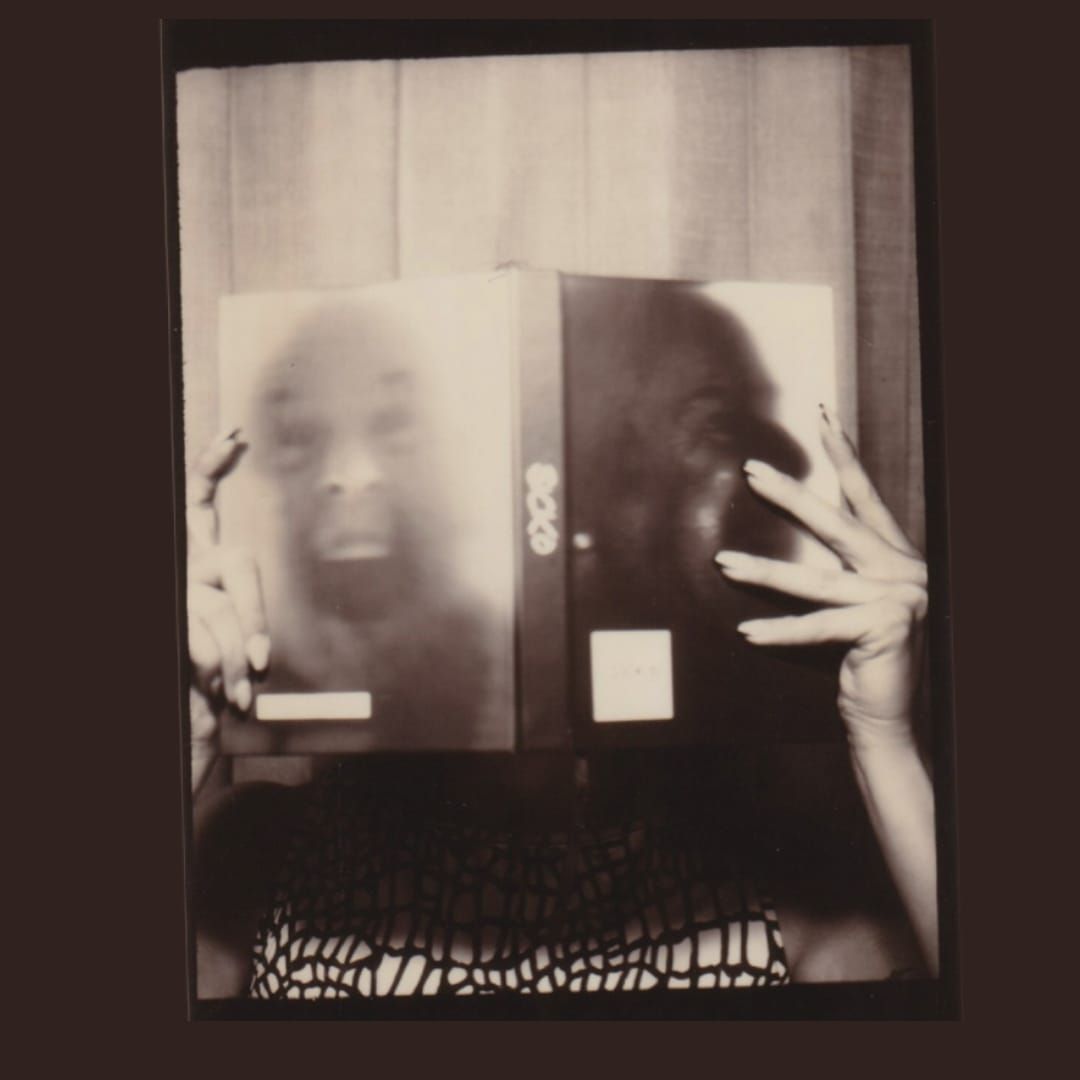
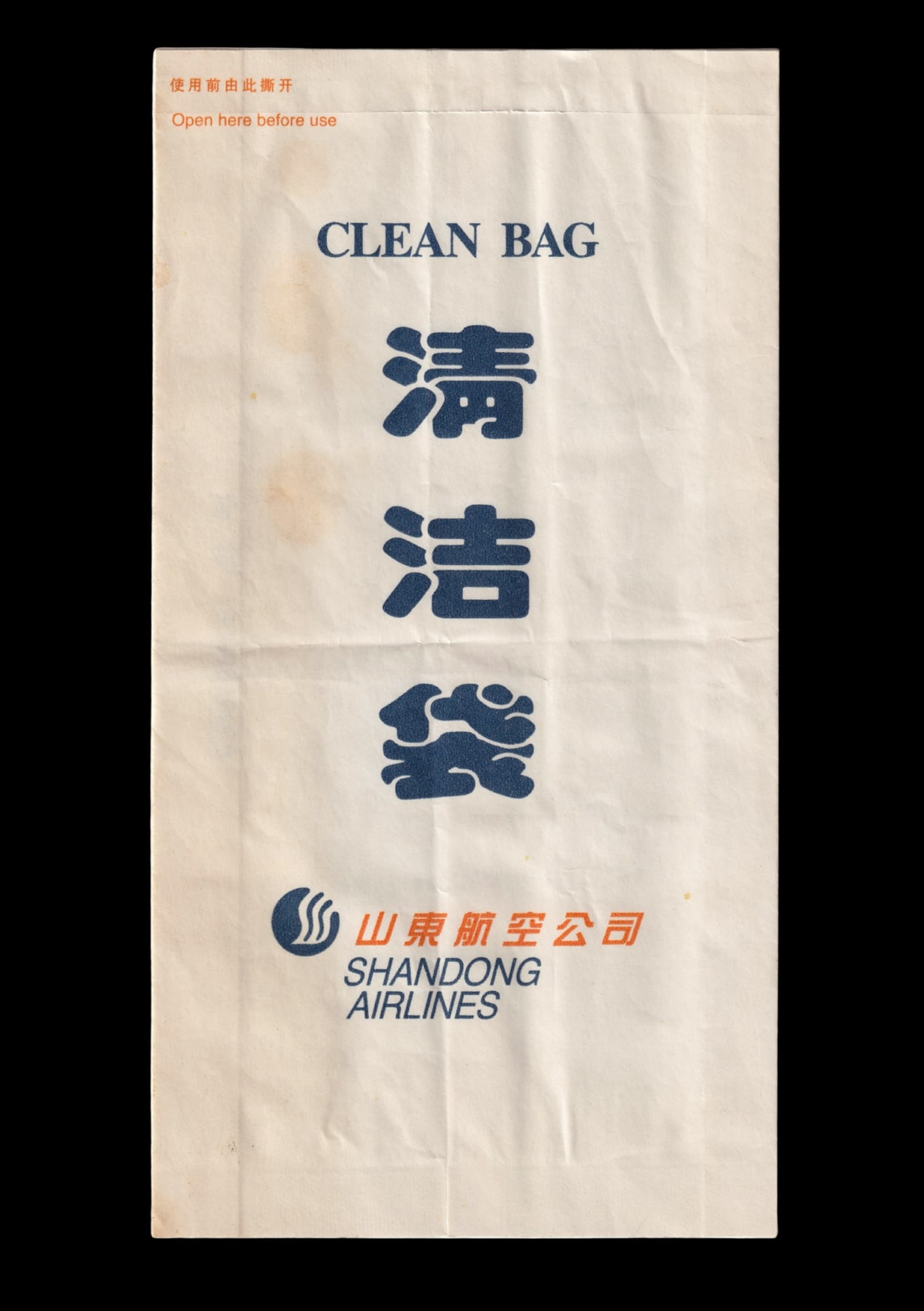
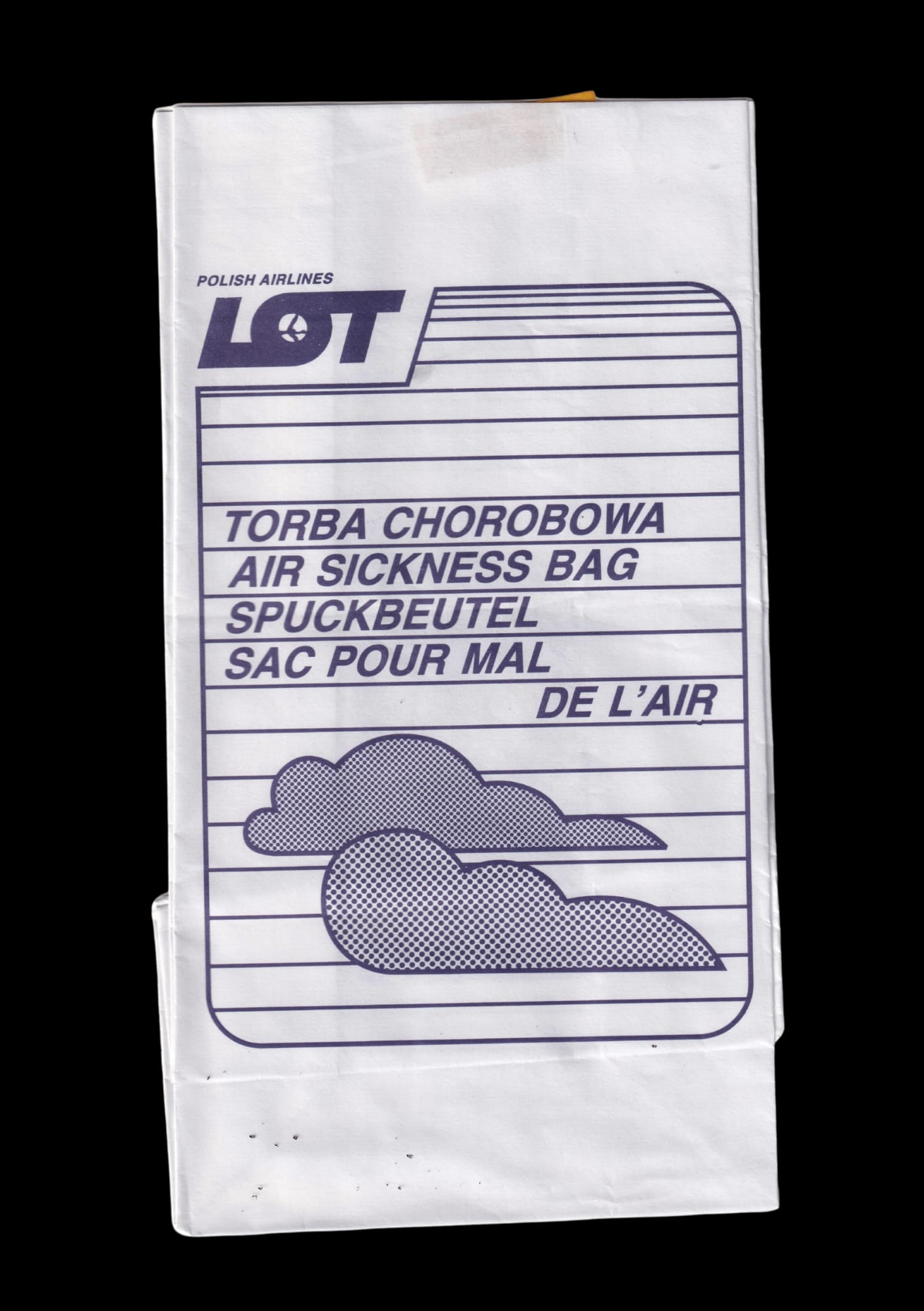
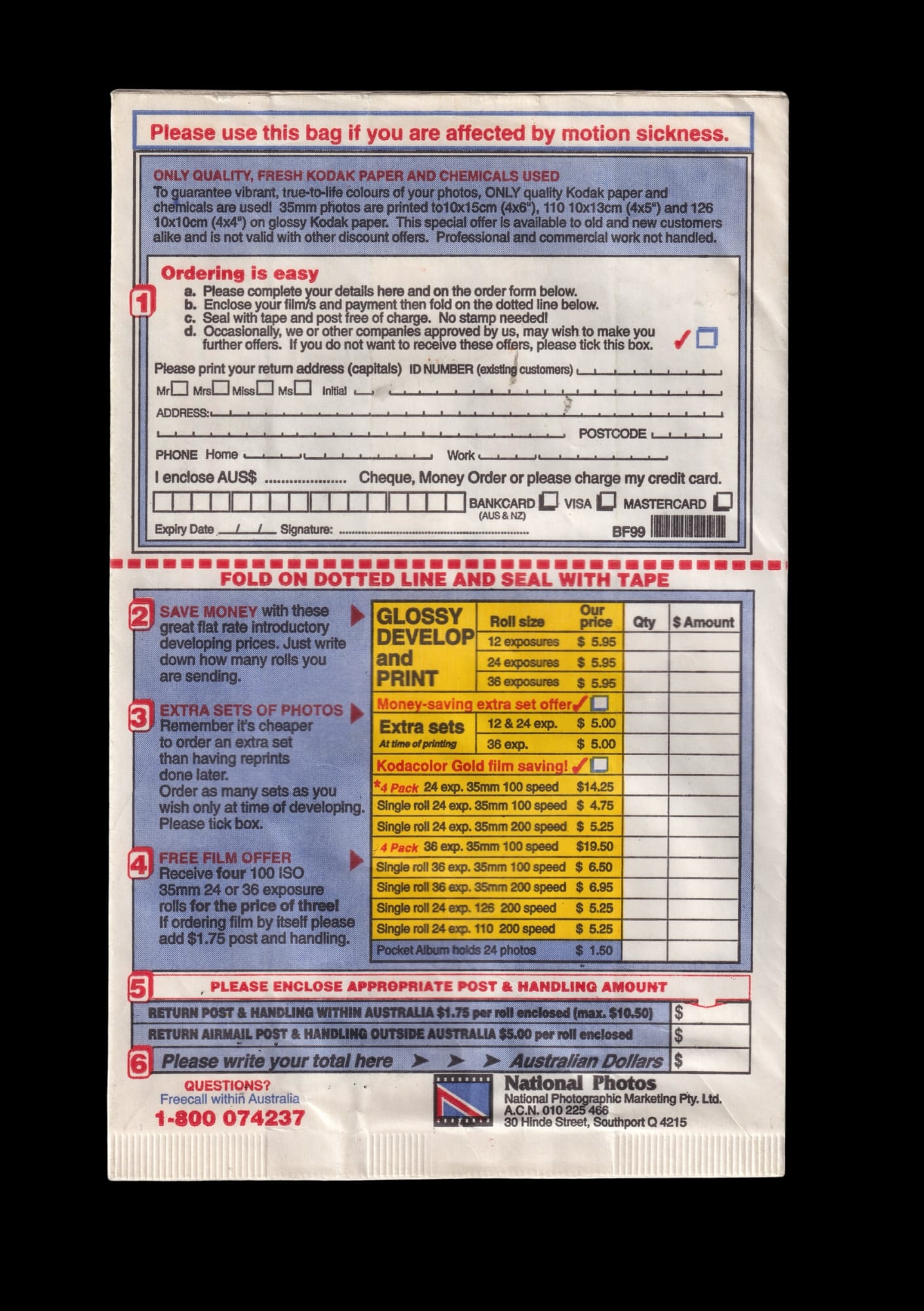
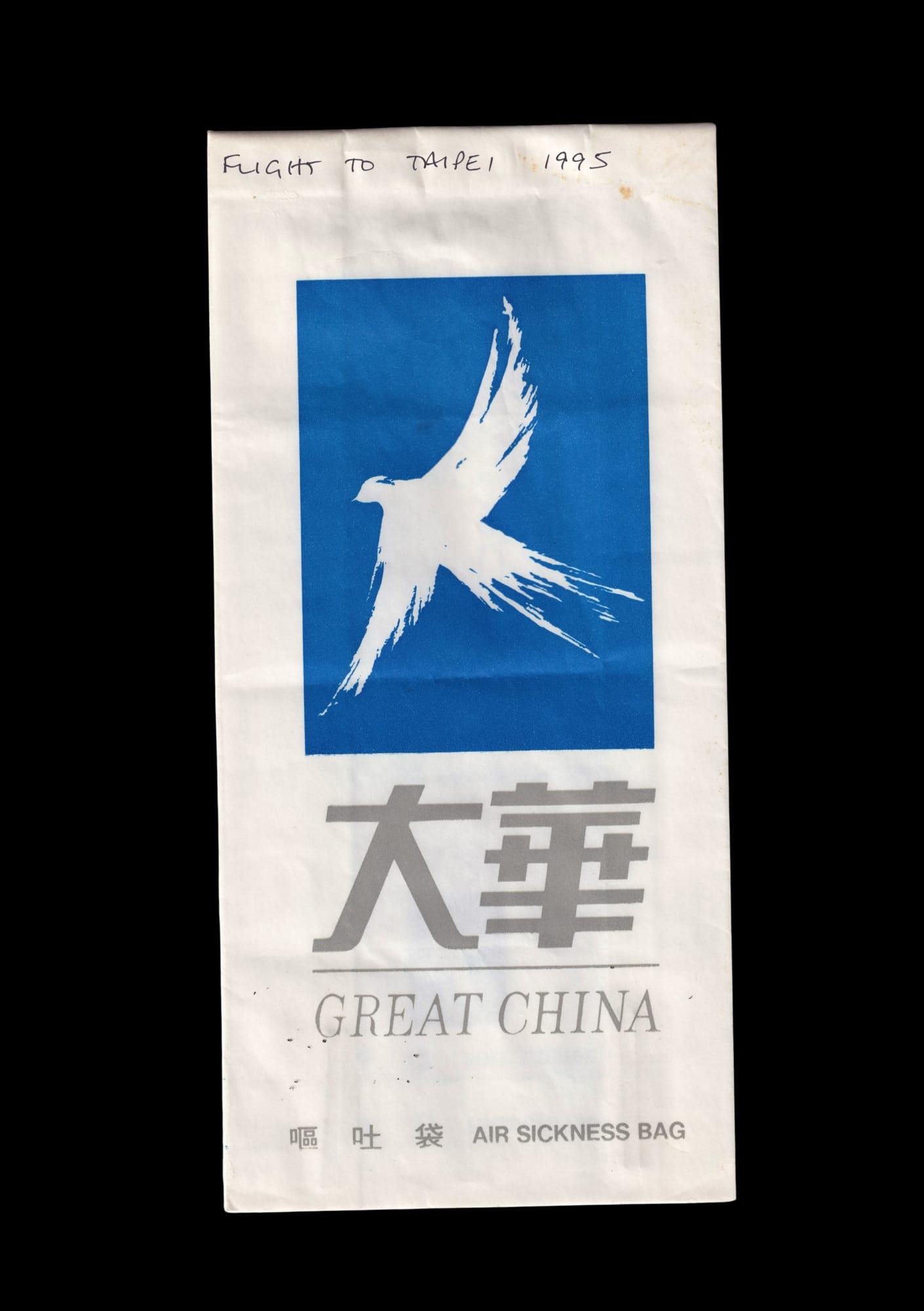
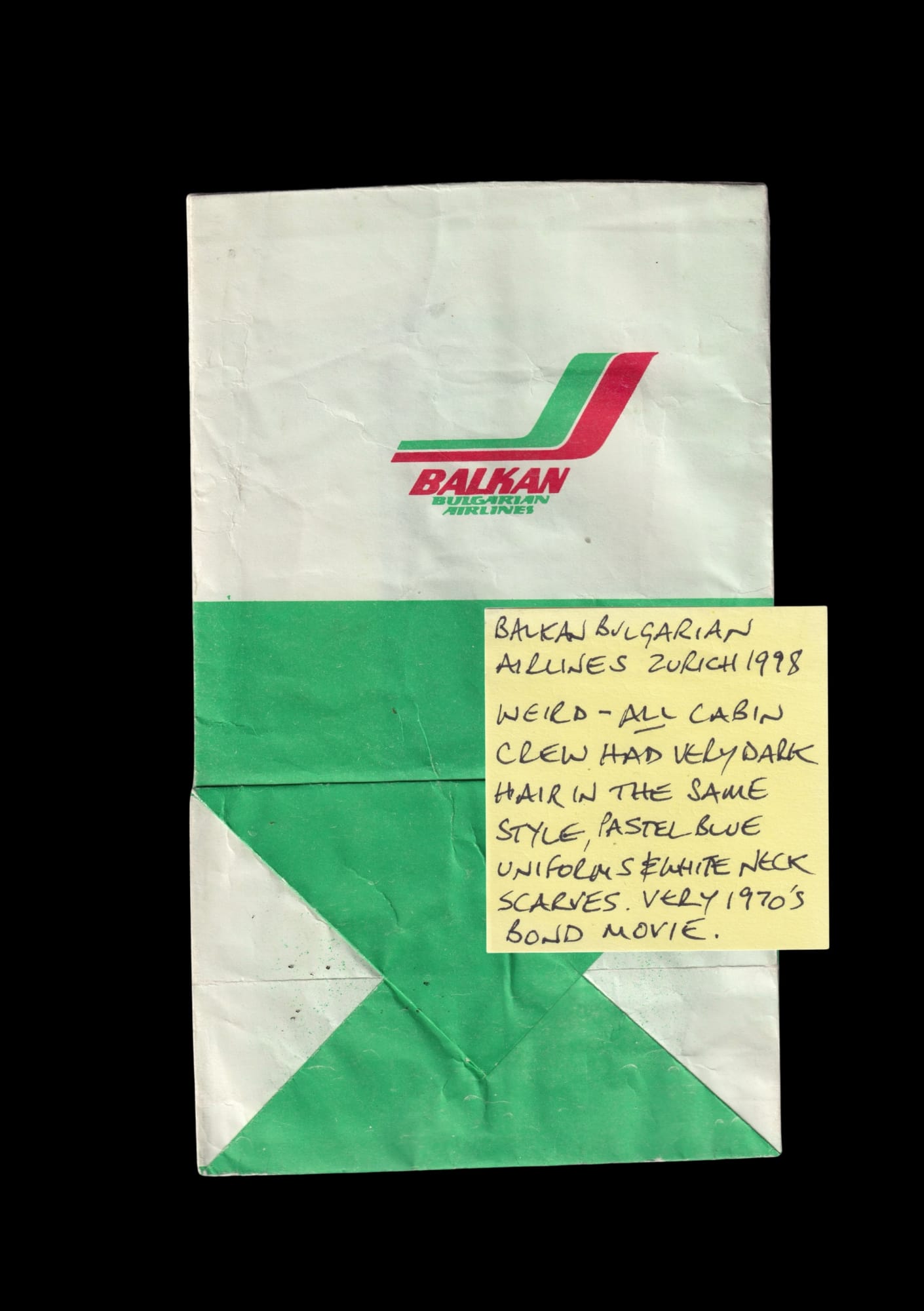
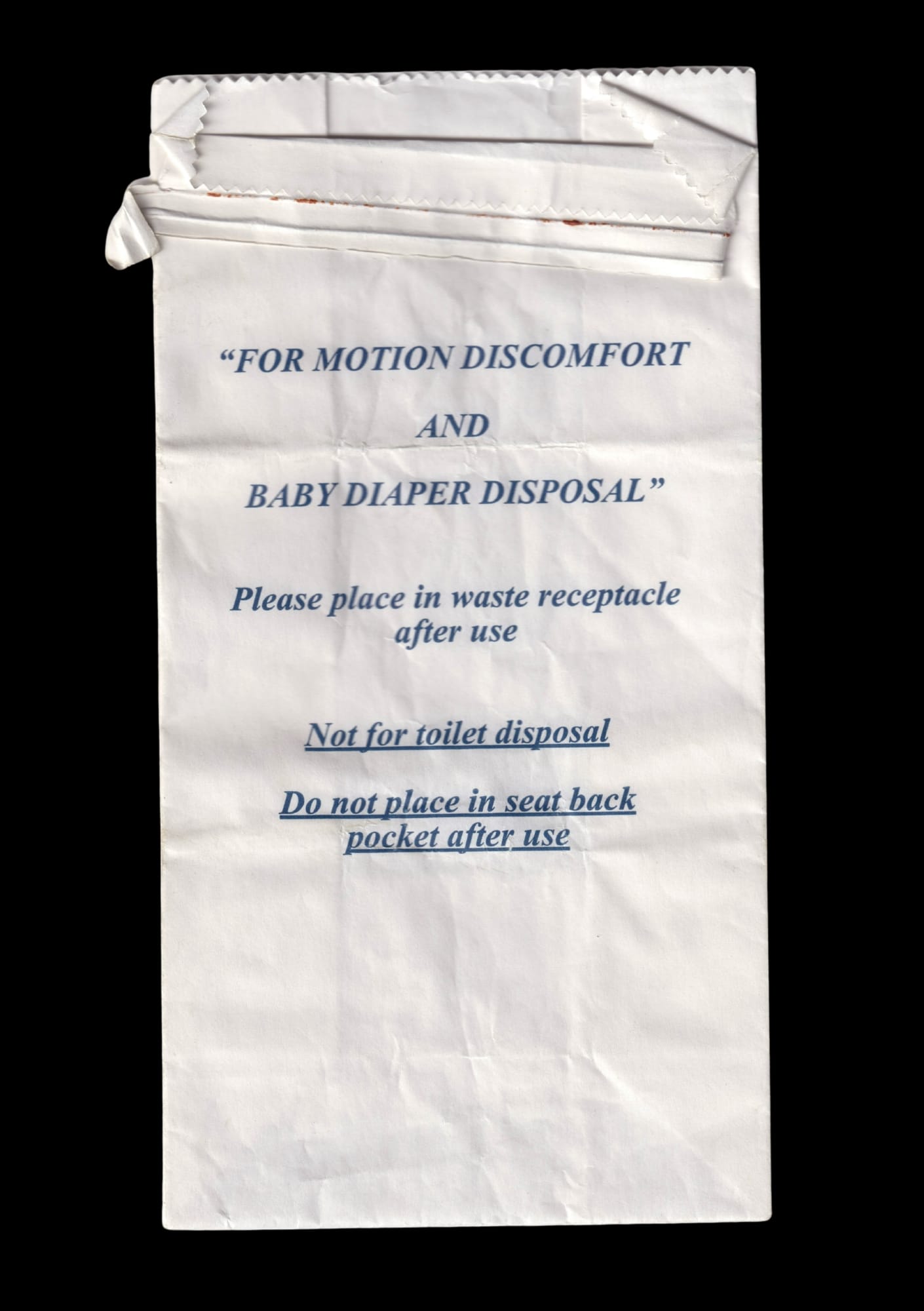
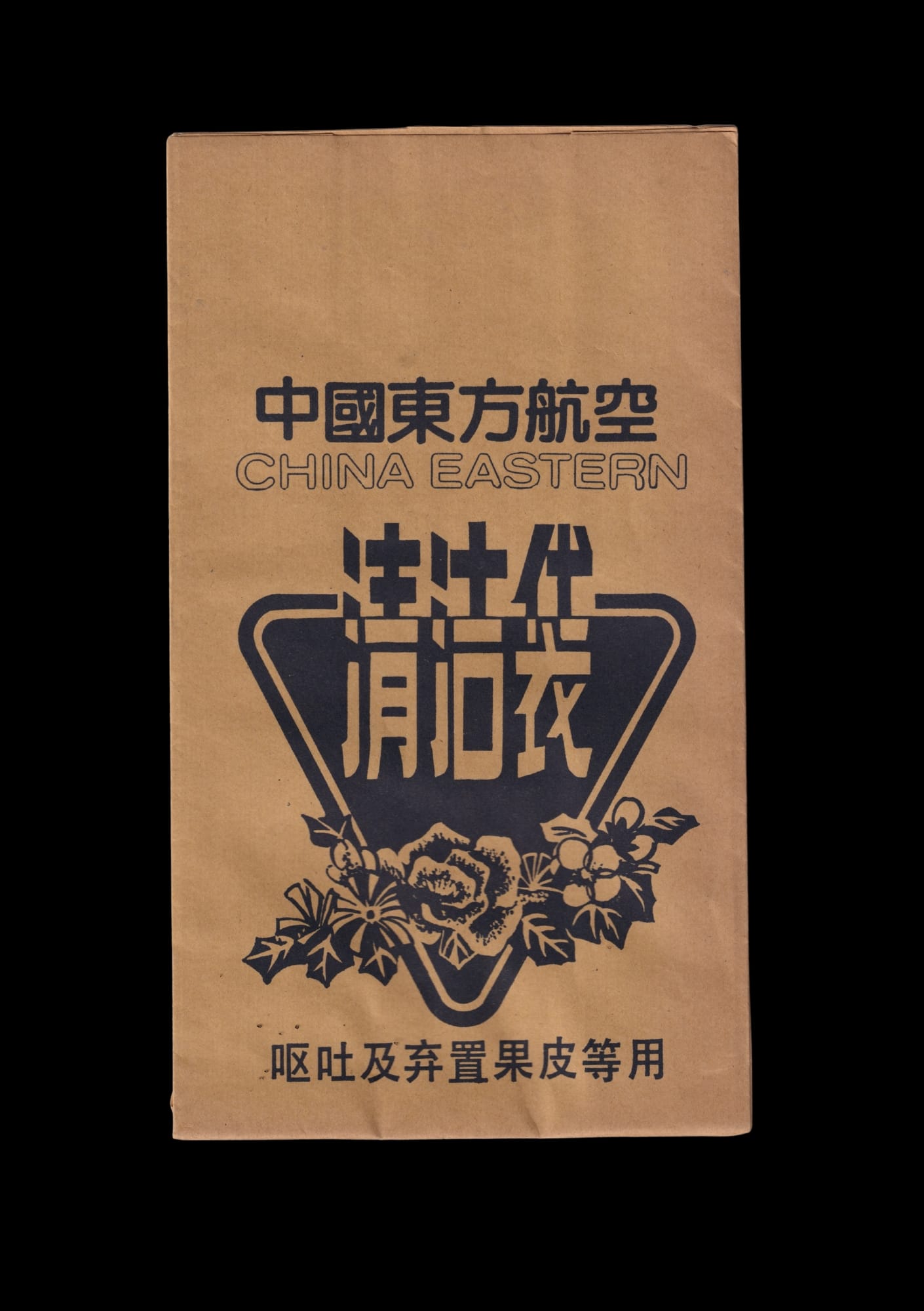
A collection of airline sick bags isn't the most immediately obvious place to look for a story about memory, loss and the value of everyday experience. Yet in Sicko, filmmaker and journalist Elizabeth McCafferty traces Trevor Cunningham's emotional investment in his decades-long archive, revealing the enduring significance of seemingly 'ordinary' objects. I caught up with Elizabeth to discuss the making of the book, the beauty of the mundane, and why reality so often outpaces fiction.
TOMMY: How did you first meet Trevor, and at what point did you realise that this was a story to which you wanted to dedicate an extended project?
ELIZBAETH: I was making a short documentary about Trevor a couple of years ago. He has a support group called Ask Trev. Ask Trev is a team of people exclusively called Trevor, who are rewriting any negative connotations the name might be associated with by rebranding the name. He now has “Over 140 Professional Trevor's from across the UK and around the world, offering their help, support and guidance for FREE”, what he likes to call “A Trevolution”. For lunch he made us a bacon sandwich and gave us a honey comb cornetto before proceeding to pull out his collection of sick bags and I instantly became fixated on it and was unable to shake it off!
T: You invite readers to “look at the mundane a little bit differently.” What is it about so-called ‘ordinary’ objects that attracts your interest as a filmmaker and journalist?
E: While most people would throw an unused sick bag away without a second thought, Trevor’s remains as a sacred memory dedicated to living in the moment and embracing life after someone close to him died young; I feel we can all learn something from seeing beauty in something most other people fail to. Ephemera is an important snapshot of history and whatever people collect, however trivial it might seem to someone else, is something beautiful and I wanted to be able to preserve some of that within the pages of this book. Our space is incredibly personal and even rare. I do not own a lot of space personally, as I live in a small shared flat in London. I’m careful about what I choose to fill my space with. I’m fascinated by what others fill their space with too, as it’s important to them and that’s all that matters, documenting this is very important to me as a filmmaker and journalist. I like preserving the kind of happiness money can buy in the mundane.
T: The text in the book is typed on a typewriter and accompanied by handwritten notes. What do these physical processes allow that an exclusively digital layout couldn't?
E: The entire project is about memories and nostalgia, so creating anything outside of the analogue space felt too alien for such a strangely intimate project about someone's relationship with loss; or a collection that spanned decades. Creating everything by hand made the entire book more personal and authentic than any digital layout would be able to create - the book is so personal I felt it was important to honour this as a theme running throughout the entire process.
T: You write that if Trevor were a film character people might question his believability. Why do you think reality so often feels stranger than fiction?
E: I think reality is so messy and unpredictable that it always makes the best kinda stories - anything that has been written and curated will never feel as mind-blowing to us as a story as it often fails to encapsulate authentic chaos.
T: Do you think we're getting worse at keeping and preserving mementos?
E: Yes. In a digital age, I feel it’s hard to be as nostalgic and sentimental about some things. I am very privileged to be able to say my entire childhood was captured on VHS, something that brings me great joy to look back on. I can’t imagine my entire childhood being documented on an IPhone and having nothing printed. I feel great sadness when I speak to people who have nothing tangible to look at; textures and even smells of holding something can mean so much especially when it’s surrounding a person who is no longer with us.
T: Do all collections become autobiographies eventually?
E: I think often people can be shamed or embarrassed by the collections so don’t tell enough people in order for the memory to be preserved in an autobiography.
Elizabeth McCafferty is a filmmaker and journalist. She has a particular interest in telling stories about the weird and wonderful or delving into worlds often deemed too unconventional by mainstream society. VICE even voted one of her stories as the weirdest they made had posted that year. She has chased ghosts with ghosthunters, lived in a nunnery, broken her shoulder wrestling in front of a 300-person audience as part of a documentary about pro-wrestling and is even co-owner of the sport... toe wrestling.
Elizabeth particularly loves shining a light on those people who are fearless enough to be themselves in a world that often still doesn't accept what it means to be a bit different.