'This Other World Sprinkled Into Normal Life': In Conversation with Lydia Gray
JADE: So nice to see you again, it’s been a while, we’ve come full circle. What have you been up to since we last saw each other?
LYDIA: I know, exactly two years since we did that photoshoot!
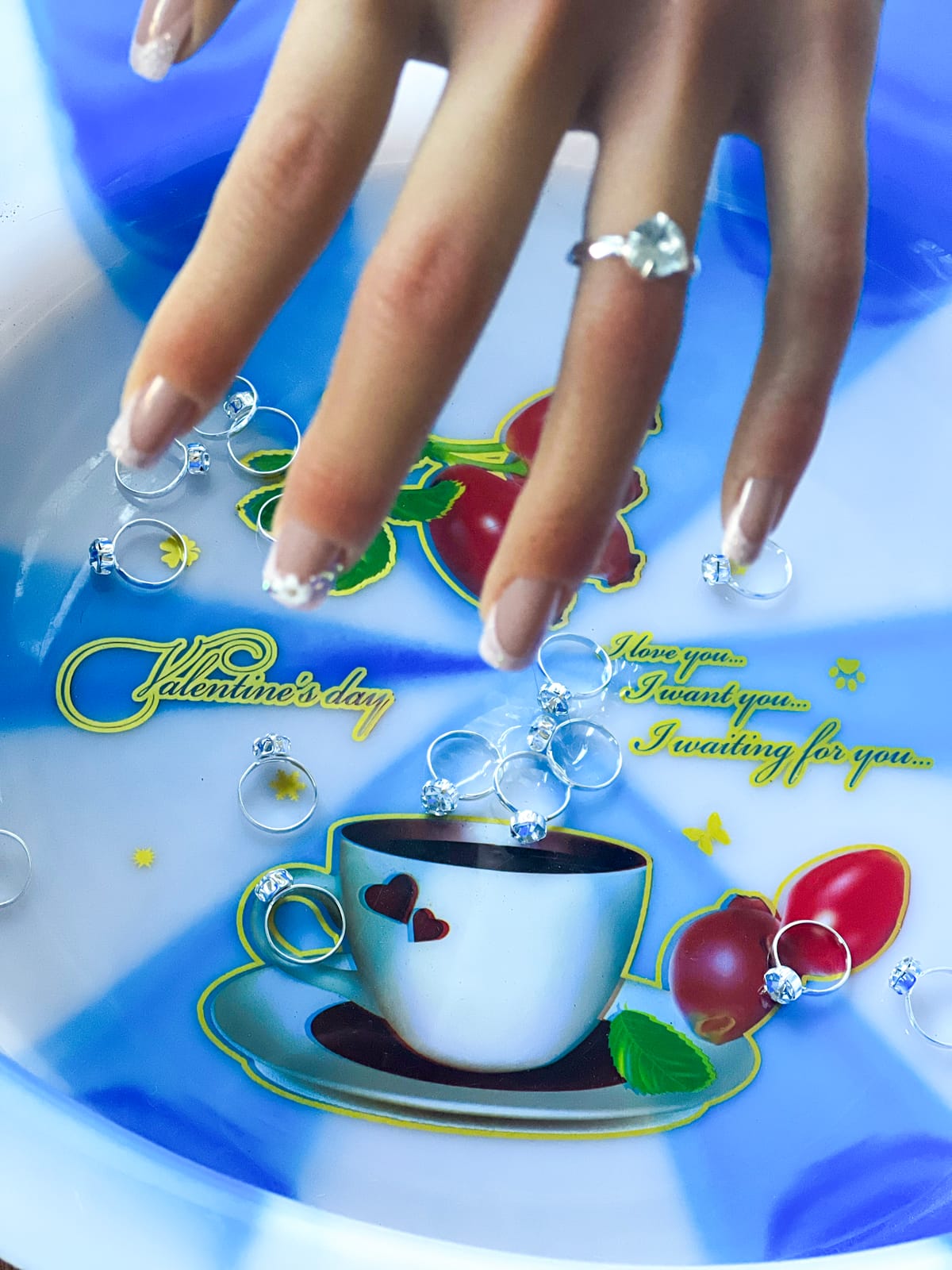
I’ve been working on things loosely related to weddings and brides. A lot of what I do is research based so this chapter is not quite finished yet. I did a photoshoot recently with a friend and dressed her as a sexy bride.
I was also in an exhibition in January, in Edinburgh. I saw an open call on Instagram. I had sculptures and 3D objects placed together with the photos which is something new for me, sort of a tactile way of connecting to this bigger, abstract thing in my head. It was the first time I’d ever shown art that’s not photos.
J: How was it going back to Edinburgh and having your work on show?
L: When I left Edinburgh, I wouldn’t say I was leaving behind a community because a lot of the creative scene was tied to the art school, which I didn’t go to. So, I felt there wasn’t really something to be part of.
Being in the exhibition felt like a real full circle moment. I felt much more of a certainty about who I am as a creative rather than whether people particularly like my work.
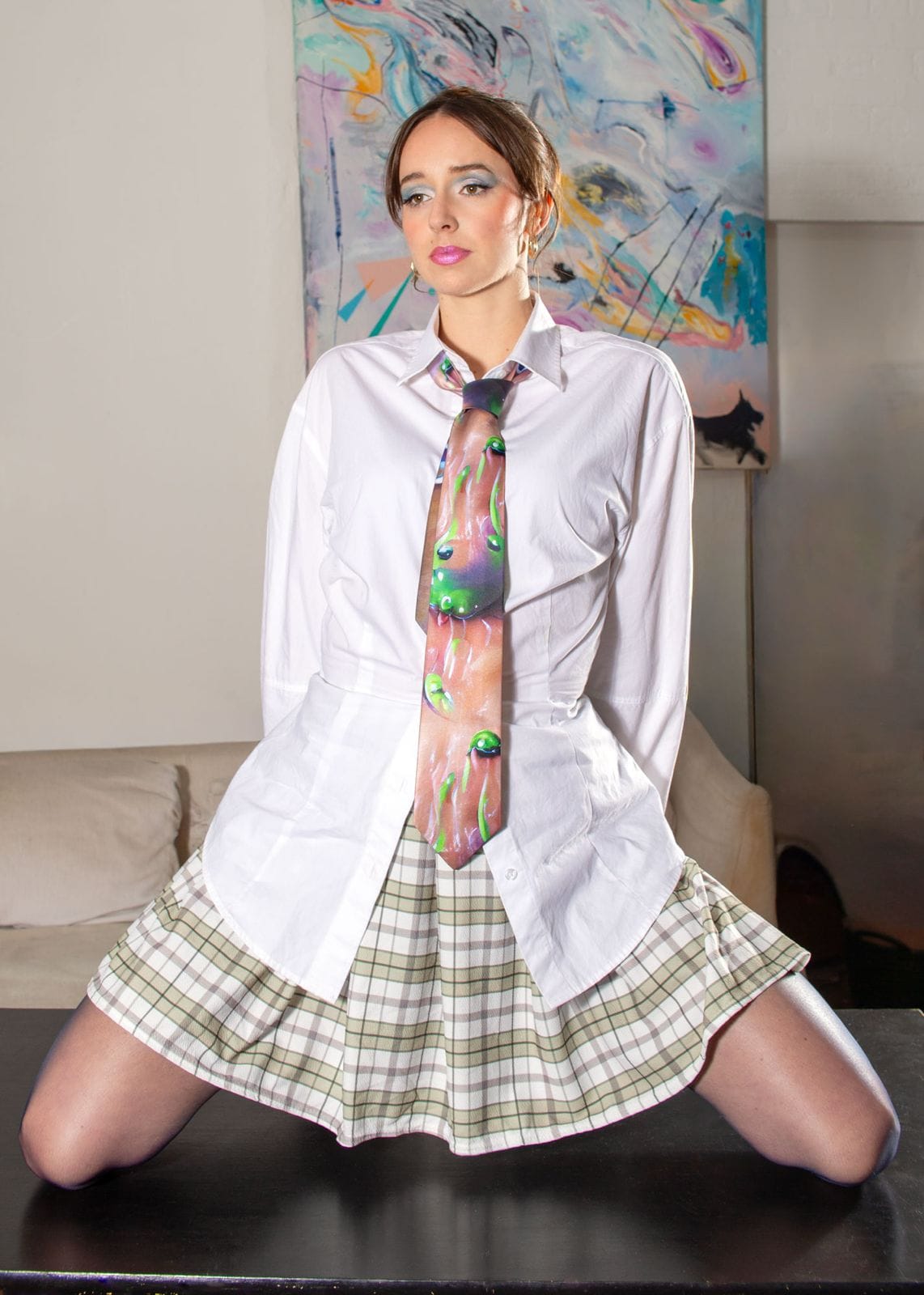
J: Was the tie part of the exhibition? And have you worked on this project since we did the photoshoot?
L: Yeah, actually and someone bought one!
It wasn’t a conscious choice to put the project on hold. I don’t know about other photographers, but the work comes before you actually shoot something. Going through the images after shooting is when the doubt comes in. When I’m storyboarding, it’s so vivid and realised in my mind, and then the actual images, the channel you’ve chosen to communicate the idea, is what people are going to see. Being a perfectionist makes it hard and the editing and choosing of images feels so final. Whereas when it’s in your mind and constantly in progress, it’s an easy space to move in.
When I do projects for other people I don’t feel so tied to this feeling, I do the work, deliver and it’s done. But when it’s a personal project it’s like, how do I even measure that? It’s much easier to decide these things when working for someone else.
J: I suppose there’s more of a separation of self; it’s not so much your baby. And to create those outlines for yourself is so much harder.
L: There’s always a sense of do I need to go back and change something, should I edit that? I do put myself into all my work but when it’s not a personal project it’s so much easier for me.
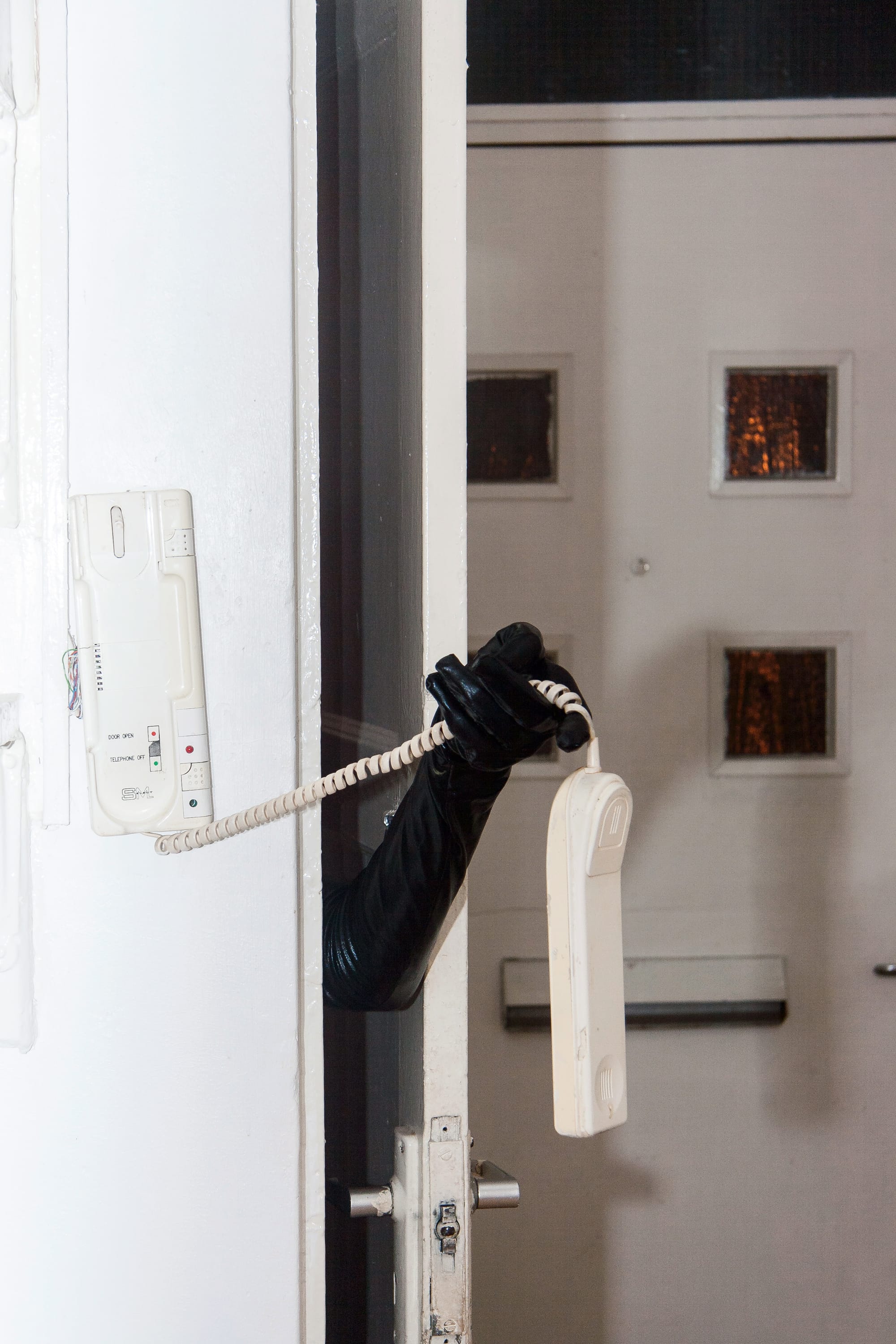
J: Do you think that things happen when they’re supposed to happen? The timing of life.
L: Definitely. You know in The Wizard of Oz when they’re telling Dorothy she had the power to go back to Kansas all along, but she had to realise it for herself - I definitely think that applies. Maybe if you’d done it sooner it wouldn’t have reached its full potential, maybe for some unknown reason it had to happen when it happened. When it comes together it feels ‘right’. Otherwise, you’re searching for that pull or that click.
It's why I love to see open calls when you already have work. Even if you don’t hear back, it forces you to move a little, think about your work or cut it down.
J: What lights you up or sparks inspiration for you?
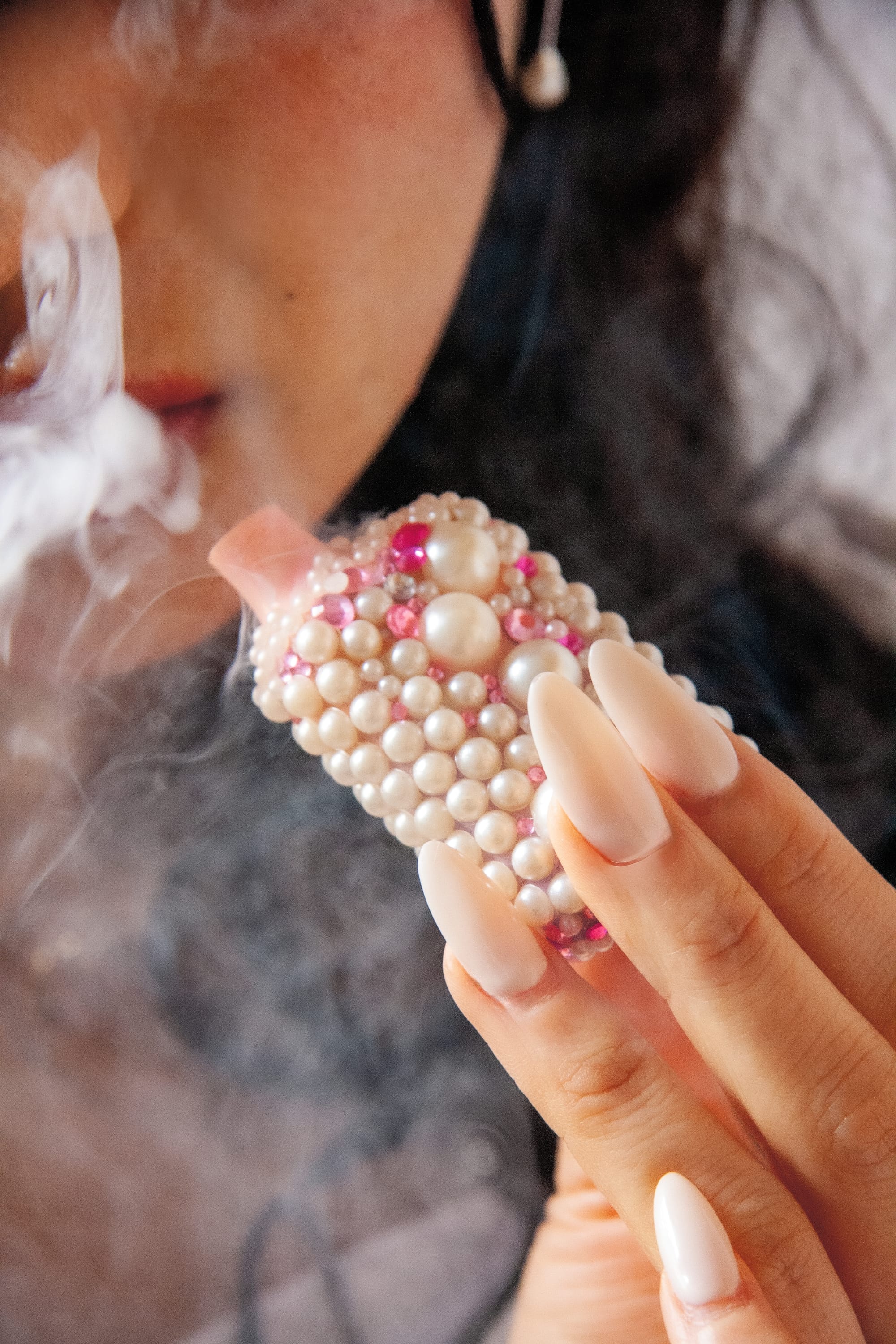
L: I’m really inspired by images on Ali Express or Amazon - those shops that have random things for sale. The packaging serves a purpose of advertising, but I find a lot of value in the images themselves, in different contexts.
It was dark out on the way here and someone had a LED phone charger that was flashing different colours. It’s cheap and plastic but something about it is like oooh. It reminds me of being a kid, at the circus or a firework display and people would be selling those fibreoptic things.
Something where the actual parts of it are not inherently valuable but it feels a little magical.
J: It jolts you out of your reality for a moment.
L: Exactly, it’s special or supernatural. It really excites me. I have a real love of anything shiny, sparkly, translucent and plastic. Even if I don’t quite know how to describe it, I know that the feeling it gives me is real, so I suppose I can’t deny what excites me visually or what I want more of.
Something I aspire to have is a rice cooker covered in diamanté!
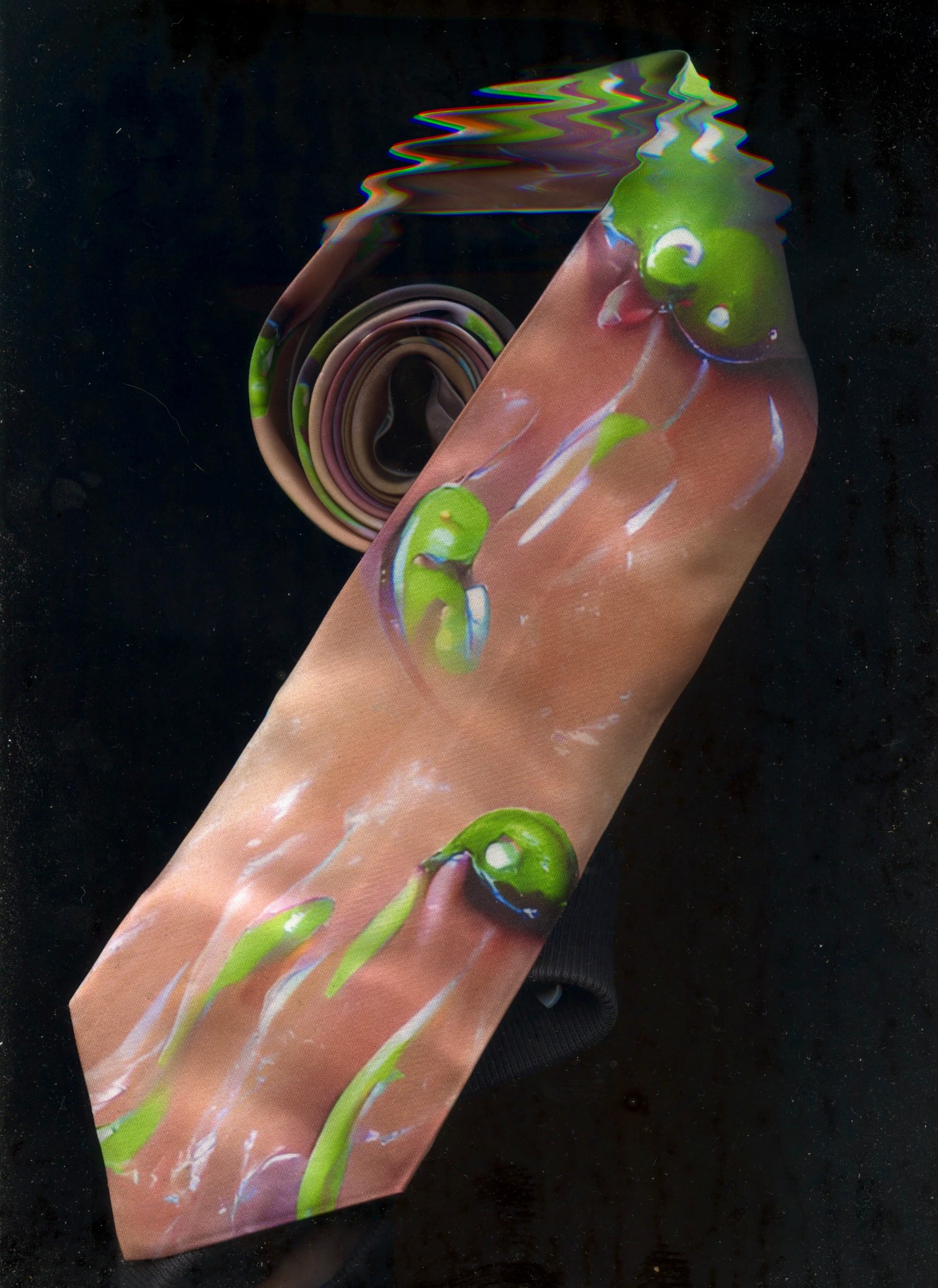
J: Where did the design come from for the tie, and why a tie?
L: That’s a really good question and I’m not sure.
I think I thought of it as something you can hold, it’s smaller than a t-shirt or a print and it was very wearable. So much of what I do is drawing inspiration or collecting references, if I’m putting that in my brain and regurgitating it out in some creative idea, it’s kind of full circle to turn it back into a tangible thing that’s out there in the world.
The design came from an AI prompt I was using that was very abstract. Something that can’t be created in the real world as a photographer. Like a fantasy. I saw the AI generator as a magical version of Google Images - the output was always going to be something I’d never seen before.
J: Did you meet the person who bought it? I wonder if he’s wearing it in the office.
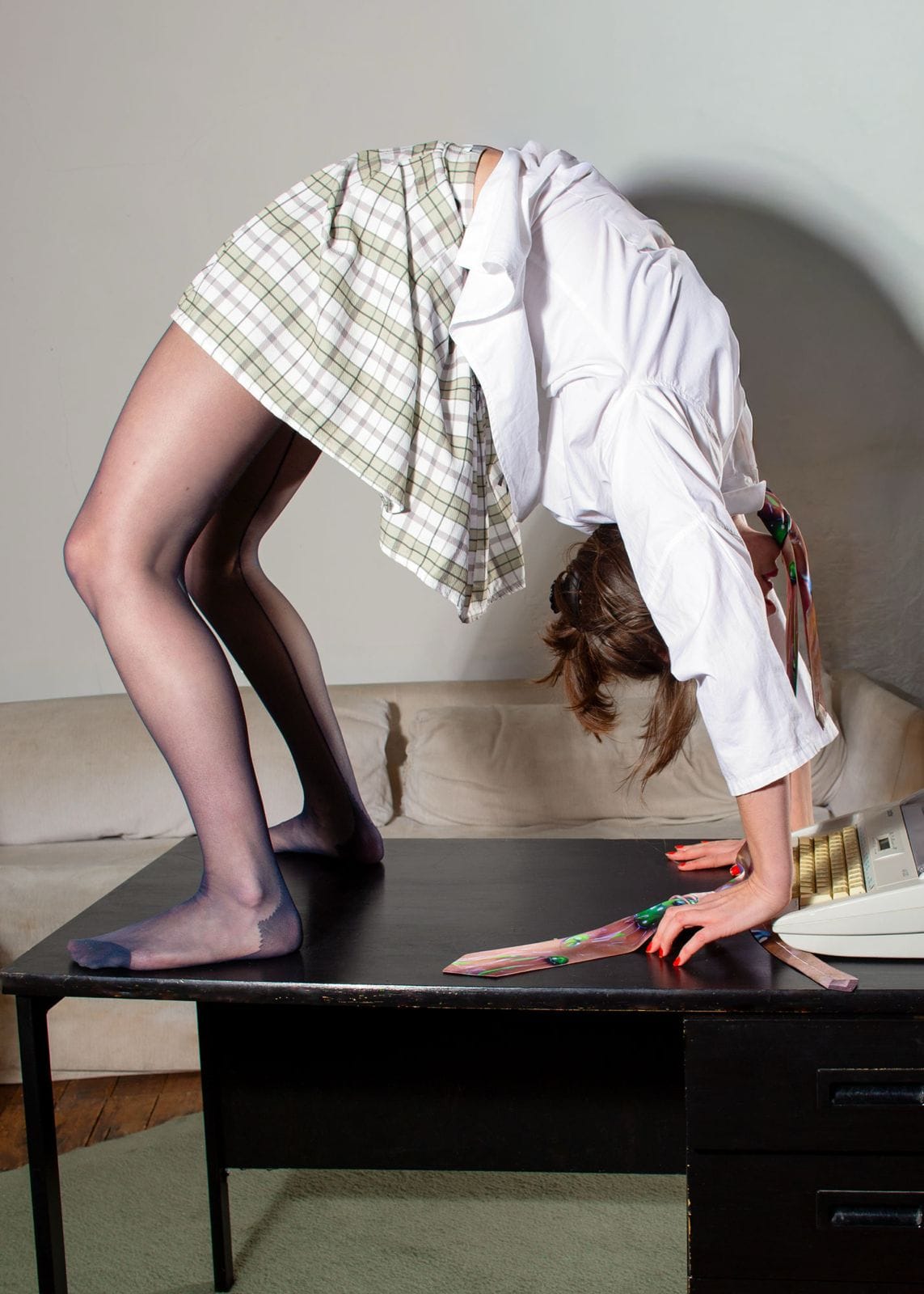
L: That would be amazing. I didn't even think of it like that. The office vibe was very much thinking of those stock photos of office people - they’re great images that kind of play between serious and formal vs. fun and silly.
A long time ago I consciously or subconsciously chose not to be afraid to have fun and add a bit of humour or the bizarre to the things I create. Even if the personal inspiration is quite dark or I’m representing something painful.
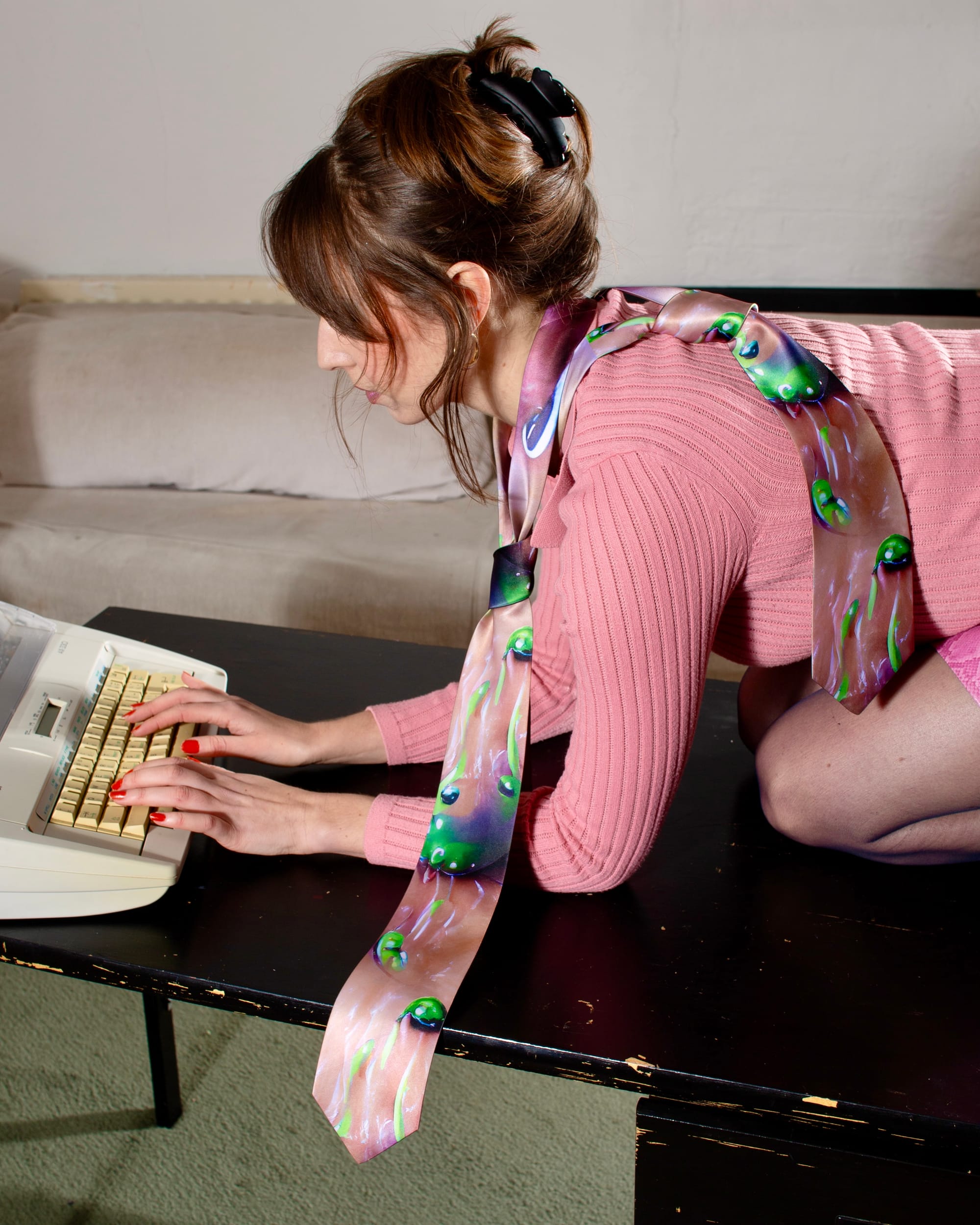
J: In relation to the photoshoot, the office outfit is sort of everyday ordinary, but the tie is like the flashing light on the street or the circus toys - a bit of this other world sprinkled into normal life.
L: And the wedding images too, they also had undertones of erotic photography or fetishising brides. Because when people are making pornographic photography or porn, they’re not going in to do something funny or fashionable, but there are some fetishes and kinks that are so silly and bizarre if you take them out of context.
When I’m looking it’s not because it's sexy it’s more like the random things that are there. The clips or hairstyles or eyeshadow. It’s not a stylistic choice but they’re the things I’m often drawn to. There’s something magical and I’m like 'oh I want a piece of that'.
Something I feel strongly about is that the fashion world is so inspired by sex workers or the porn industry but then it’s seen as such a lowbrow thing. They’re not afraid to take those things – for example Burberry, long nails, certain hairstyles, ways of doing makeup – they’re not afraid to steal those things, and when they use them it’s cool but the original thing, to them, almost has no value?
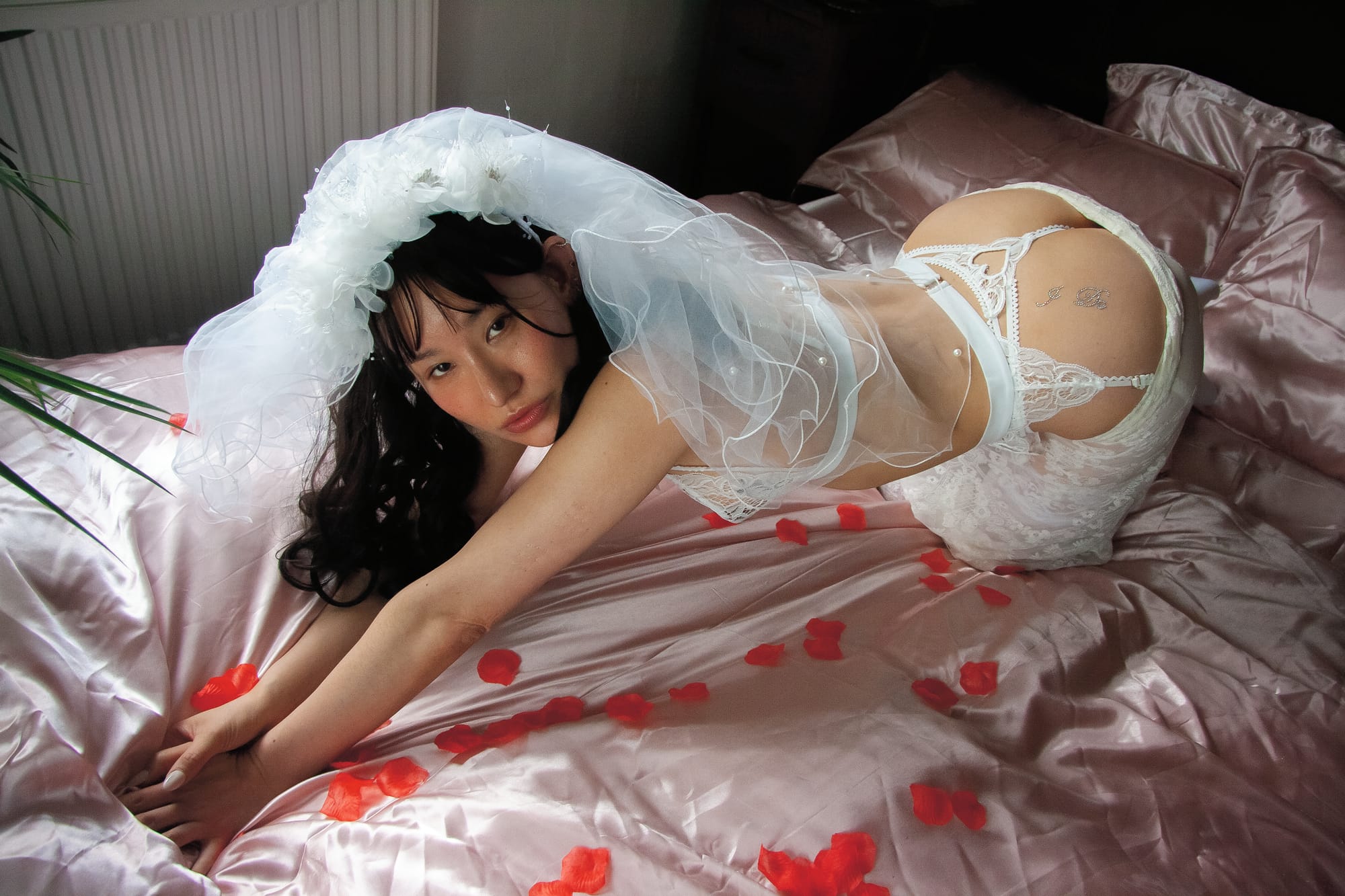
J: Yeah, similar to what you said about fetishising brides, I feel there’s also a fetishisation of the working class.
L: That just made me think of my favourite fairy tale - The Emperor's New Clothes ... It’s the same with creatives, like the hierarchy or system that we’re all upholding but if you question it, the walls kind of come down and the structure falls apart and you can take advantage of that. But if you see yourself as below someone or go along with it then you’ll kind of keep yourself down and other people up.
Which is why it's ultimately so much more valuable for working-class people to share their own stories and experiences – whether it's class, disabilities, race, gender, sexuality, it’s always done better when at least some part of the creative voice is one of those people.
Lydia Gray is a Scottish photographer and artist based in London.
Jade Byrne is a writer and florist from Liverpool, based in London.