Joseph Ball: 'An Unexpected Author'

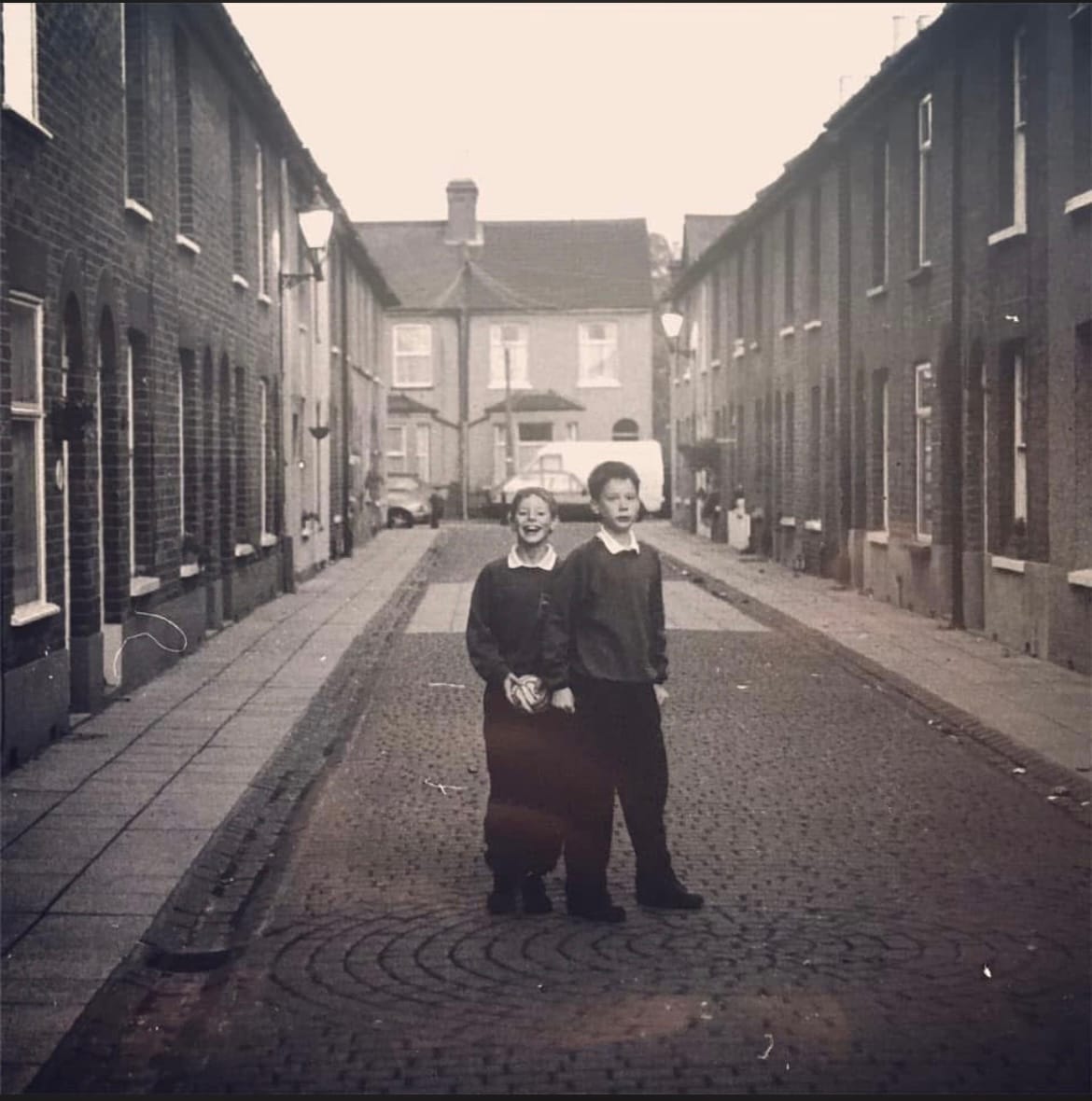
As I sit reflecting on the release of my first published novel, I can’t help but wonder what I have gained from the experience. The first of four books is now available in all bookstores, and with the launch successfully landed, I'm seeing many opportunities arise from the early success, including this article. But that wasn’t why it was written. It was written to show how it felt to be a neglected child in a working-class family in the early 2000s. Nostalgia meets awareness, and hopefully, walking hand in hand into a better cause, as some of the profits from the four-part series contribute towards child protection charities.
A labour of love that may or may not make some money, but will hopefully help someone else living in the same environment. This first book was written as an awareness piece because, like many victims, I felt that there were so many worse cases out there that I shouldn’t consider myself a worthy case. By writing the book to be immersive, I hoped to engage the reader on an unfamiliar level. All the information in the book comes from the main character or from conversations he overhears; this strips away any reasoning or justification, leaving you with the raw feelings of an unhappy eleven-year-old. There will be no hiding from Alex’s feelings, and every injustice will sting the reader as if it were happening to them.
The book started as a piece of work to help me recover, but then it evolved into a piece of work to help others. I had never planned or dreamed of writing a book. I started as a way to heal, then the project grew legs, and I had to make a choice. Keep it to myself and heal myself, or let it loose, and maybe heal others. The only real fear being the embarrassment of opening myself up to criticism and, even worse, knowledge of my feelings. There is plenty of fiction mingled into the book to make it more engaging, but the base of the story follows my own experiences and memories growing up. For the first time in my life, I feel truly free. The anxiety and fear are gone, and the time to step forward and speak up is here. I’m late to the party. I should have written these books years ago, but I lacked conviction, confidence, and mostly safety.
Then I start work on book two, and I remember the familiar side effects from writing book one. I write about a moment. A real moment I experienced, woven into fiction to give the reader some understanding of the character's backstory while providing entertainment. I write about taking the train to Harlow. Or at least, bunking the train to Harlow, and saving the fare for a bag of chips on the way home. It’s a simple moment in a simple part of the book, but it washes over me. I can still smell the chips, wrapped in newspaper, with vinegar dripping from the bottom, a memory sharper than the writing itself. The fear of getting caught while my friends laugh and joke without a care in the world brings me back to life, anxiety and suspicion taking over. Then the cold air hits me as I jump off the train into safety and away from a potential ticket inspector. For a moment, I leave the Dorset countryside I’ve called home for the last ten years and return to Essex. This side effect is something for me; no one else will ever experience it, and I quickly remember that it is worth every single hour spent toiling over the book.
Quite often, I wonder if this is a recovery piece or a nostalgia piece. I settle for the deal that it can be both. Writing about the worst time of my life still brings a warm feeling when I think of the quiet town I grew up in, Waltham Abbey, and its simple pleasures. A warm library to hide away in at the age of eleven during a snowstorm. An apparently never-ending string of public gardens to explore, while turning my nose up at teenagers drinking on the benches, not realising I would become one of them. A Town Mead, you could lose the whole day to booting a ball against a wall while its last strings hung on for dear life, and the River Lea, where you could fish for free as long as a canal boat didn’t come along and give you grief.
I start to get excited as I realise the second book will focus on being a teenager. Cider parties, smoking, girls, and maybe a little trouble around town. Others will see the hardships and neglect. I’ll see the joys of a working-class life that you could hide within to escape the neglect.
The memories flood back as the book takes shape, and your piece of writing becomes a message for others and a time capsule for yourself. I think the big take for me when writing a book so personal is how much of my life I actually enjoyed, despite the circumstances surrounding it. Maybe this is the way of a working-class family? You don’t miss what you’ve never had, so you become happy with what you are. When you live a life without bells and sparkles, you appreciate the free things. You appreciate the fields, the parks, and the towns, rather than the flashy cars and fancy holidays. You look back on a childhood with very little, and nostalgia tells you that you had more than anyone else could have dreamed of, because it was yours and it was appreciated.
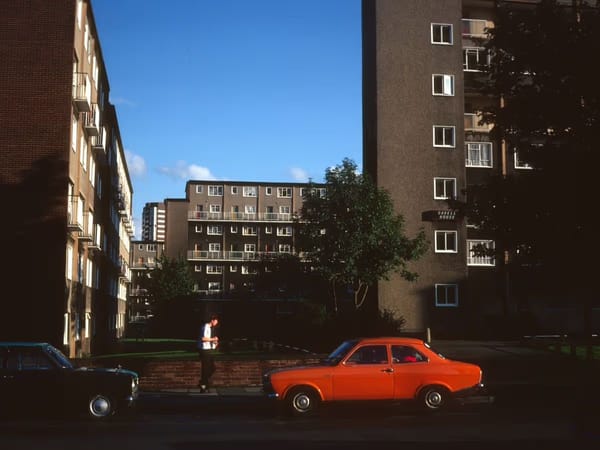
There’s an irony about writing a book focused on the loneliness of a neglected child when you know you’ve never felt a part of something as much as you did when you were growing up in a working-class town. As a child in Waltham Abbey, you knew you weren’t to mix with Waltham Cross. You knew your parents didn’t mix with them, and you knew their parents didn’t mix with the Abbey lot. You had generational rules and grudges. You knew you could knock on a door further down the estate, and they would know who you were and where you came from, and you knew they would help you. To an extent. The flip side of this was the lack of interference. Family, friends, and police would rather see a father as the king of his castle than risk ruffling feathers by interfering. They probably all went to school together anyway.
I’ve moved away from the South East now. I have my own family, and I raise my children differently from how I was raised. After all, breaking the cycle is the dream for most parents who grew up feeling unloved. I never thought I would want to go back. I never thought I would appreciate any aspect of my childhood. But I do. That’s what comes from pouring yourself into your work, hoping it will reach the world and maybe change a life, and reflecting as you go. You realise that all those experiences made you who you are, and that community was something you strove to escape from, but you never felt the warmth of again.
Whatever our art might be, it was created from our experiences, and writing these books has given me an unexpected appreciation for where I came from. There’ll be fallout for sure. People who feel there is too much embellishment. Enablers who believe it can’t have been that bad. A host of people who have had it worse in life, and for that reason, feel the Growing Pains series is pointless and won’t give it a chance.
Once we have wrapped up book four, those voices will quieten, and the final message will be clear.
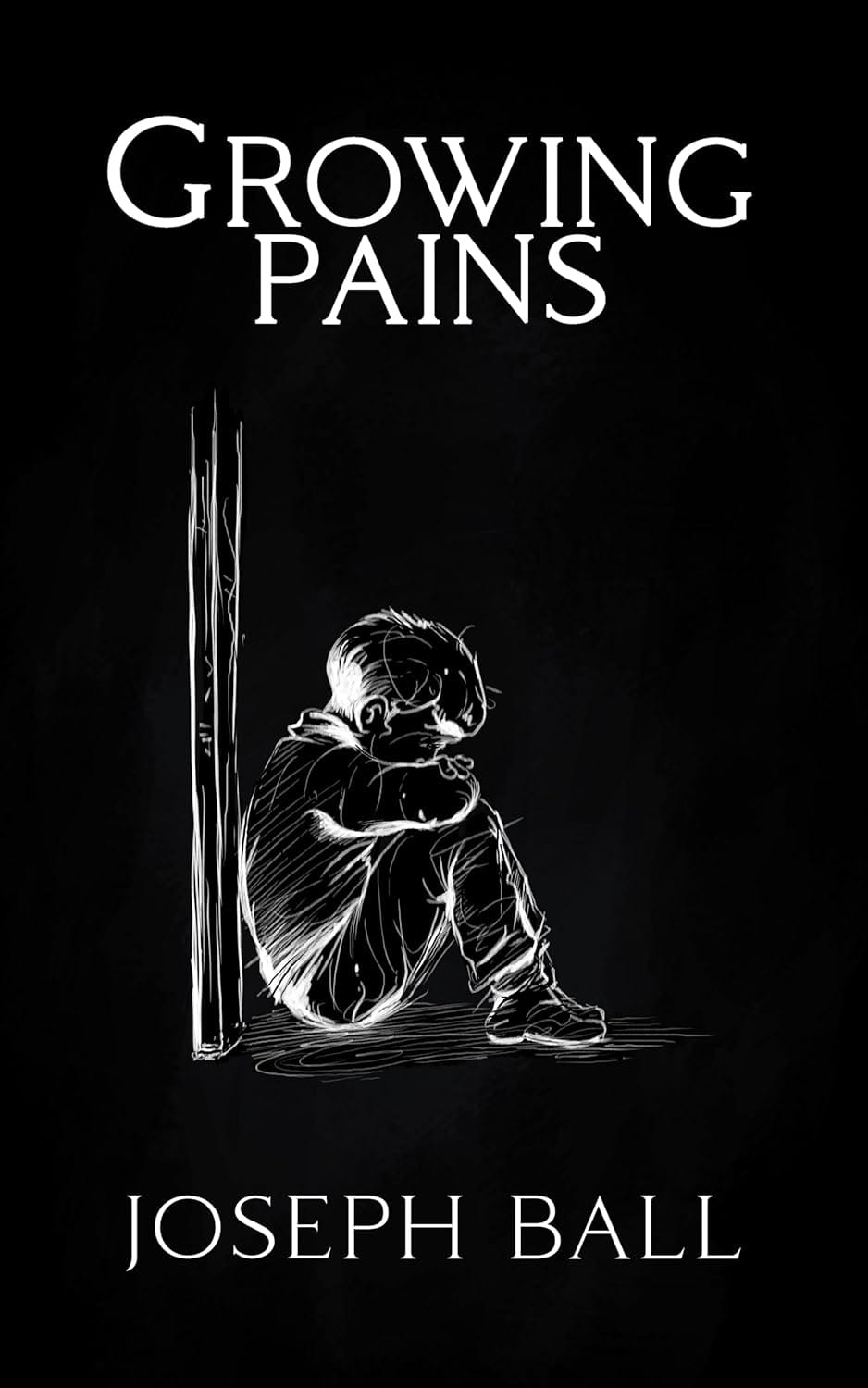
Joseph Ball is a working-class author and retail manager. His novel, 'Growing Pains', is out now.